
Main Courses
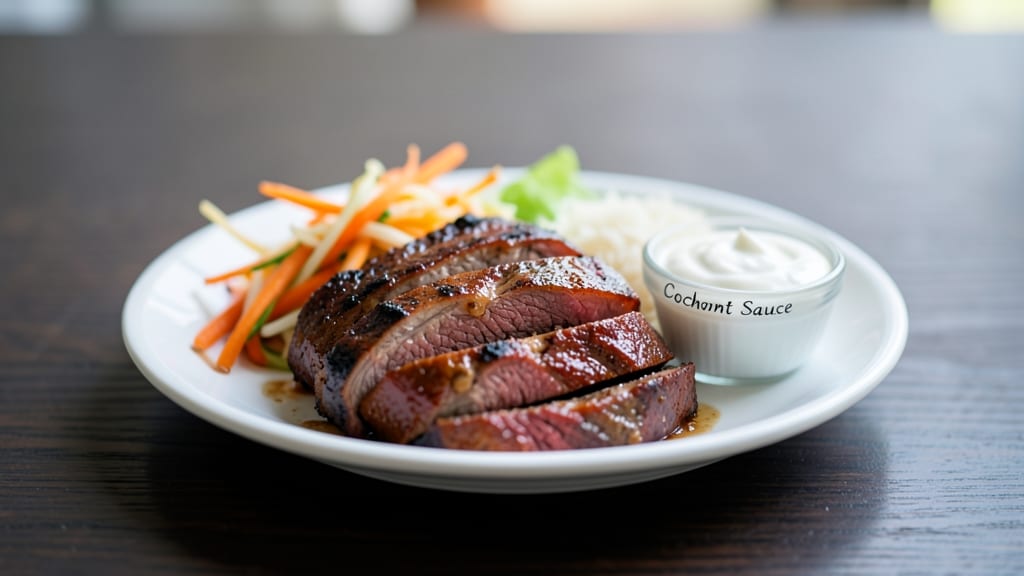
This jerk beef recipe delivers the bold, smoky flavors of Jamaica with a juicy pink center that stays tender despite the fiery crust.
The secret lies in marinating the beef overnight with a blend of allspice, Scotch bonnet peppers, and thyme—traditional Jamaican spices that create an irresistible balance of heat and depth. I’ve perfected this method over years of testing, ensuring the beef stays succulent while developing that signature charred exterior.
The cooking process is where the magic happens: searing the beef over high heat for a crispy crust before finishing it on the grill or in a smoker. This two-step method locks in moisture while building layers of flavor that make every bite unforgettable.
The result is beef that’s juicy enough to satisfy even the most skeptical eaters, with a crust so flavorful it’s worth licking the plate.
Serve it alongside classic sides like coconut rice and peas or fried plantains to complete the Jamaican experience. The combination of tender beef, aromatic rice, and sweet plantains creates a meal that’s both hearty and vibrant.
Whether you’re hosting a Caribbean-themed dinner or simply craving bold flavors, this recipe delivers restaurant-quality results at home.
For those who prefer a milder heat, adjust the Scotch bonnet peppers to taste, but don’t skip them entirely—they’re the heart of the jerk flavor. The marinade can also be prepped ahead, making this a great option for meal prep or entertaining. Let’s get cooking!
Ingredients for jerk beef
Sixteen ingredients transform into restaurant-quality jerk beef with bold Caribbean heat and juicy tenderness.
| Ingredient | Amount | Notes |
|---|---|---|
| Beef Chuck Roast 🥩 | 3 lb | Cut into 2-inch cubes, trimmed of fat |
| Scotch Bonnet Peppers 🌶️ | 4 whole | Seeds removed for milder heat |
| Allspice Berries 🌿 | 2 tbsp | Crushed lightly for aroma |
| Fresh Thyme Leaves 🌿 | ½ cup | Stems removed, loosely packed |
| Garlic Cloves 🧄 | 8 cloves | Peeled, smashed for infusion |
| Brown Sugar 🍬 | ½ cup | Light or dark, packed |
| Soy Sauce 🥢 | ¼ cup | Low-sodium preferred |
| Apple Cider Vinegar 🍎 | ¼ cup | For tangy depth |
| Ground Ginger 🌿 | 1 tbsp | Fresh grated preferred |
| Onion Powder 🧅 | 1 tbsp | For savory base |
| Sea Salt 🧂 | 1 ½ tbsp | Kosher preferred |
| Black Peppercorns 🌶️ | 1 tsp | Freshly cracked |
| Extra-Virgin Olive Oil 🫒 | ¼ cup | For searing |
| Fresh Lime Juice 🍋 | ¼ cup | From 2-3 limes |
The beef cut is critical—chuck roast delivers that signature fall-apart texture while staying juicy. Costco or Whole Foods carry it pre-cubed, saving prep time. If buying whole, trim excess fat and cut into uniform 2-inch pieces for even cooking. For the Scotch bonnet peppers, Caribbean markets often carry them fresh, but Trader Joe's stocks them year-round in their frozen section. The allspice berries should be whole and aromatic—if they smell like dust, replace them. Fresh thyme is ideal, but dried works at one-third the amount if you're in a pinch. The garlic cloves should be plump and firm, not sprouting. For the brown sugar, light or dark both work, but dark adds subtle molasses notes that complement the jerk flavors beautifully.
No Scotch bonnet peppers? Habanero or serrano peppers work in a pinch, but reduce the amount by half since they're hotter. The allspice berries can be substituted with 1 tsp ground allspice plus 1/2 tsp cinnamon, though it won't be identical. Fresh ginger is superior, but if using ground, toast it lightly in a dry pan first to enhance its flavor. The soy sauce adds umami depth—low-sodium versions prevent over-salting. For a vegan option, swap the soy sauce for coconut aminos. The lime juice should be freshly squeezed; bottled juice lacks the bright acidity needed to balance the marinade. If you're short on time, pre-marinate the beef for at least 4 hours instead of overnight—it'll still be flavorful, just slightly less tender.
This marinade can be prepped 3 days ahead and stored in the fridge. The beef cubes can marinate in the refrigerator for up to 24 hours, but no longer to prevent bacterial growth. For best results, pat the beef dry before searing to get that perfect crust. The marinade itself keeps for 1 week in an airtight container in the fridge, making it perfect for batch cooking. Leftovers reheat beautifully—cover with foil and warm in a 300°F oven for 10-15 minutes to retain moisture. The jerk beef freezes well for 3 months when stored in a sealed container with a thin layer of marinade to keep it flavorful.
Why You'll Love This Recipe
- One-Pot Magic: I swear by this—just toss the beef, peppers, and spices in one pan, then let the oven do the work. No chopping, no fuss, and that smoky bonnet heat builds right into the meat.
- Smoky Heat Payoff: The allspice and thyme marry so well with the Scotch bonnet’s kick—deep, earthy, and just a little fiery. That slow-cooked beef? Tender enough to melt, with a crust that sticks to your ribs.
- Party or Pantry: Serve it sliced over rice for a crowd or pack leftovers for lunch—it’s that good. Honestly, I’ve brought this to BBQs and potlucks, and it’s always the first to disappear.
- Budget Stretch: A chuck roast feeds four for dinner and still leaves enough for sandwiches. I’ll be real: my grocery budget thanks me every time I make this. Plus, the spices last for ages.
Step-by-step instructions for jerk beef with Caribbean heat
Here's the method that delivers tender beef with a deep, smoky crust and perfectly juicy centers every time.
Prepare the Jerk Marinade
In a food processor, combine the 4 whole Scotch Bonnet peppers, 2 tbsp allspice berries, 8 cloves garlic, 0.5 cup fresh thyme leaves, 0.5 cup brown sugar, 0.25 cup soy sauce, 0.25 cup apple cider vinegar, 1 tbsp ground ginger, 1 tbsp onion powder, 1.5 tbsp sea salt, and 1 tsp black peppercorns. Pulse until the mixture forms a coarse paste—you want texture, not a smooth sauce.
Transfer the marinade to a bowl and whisk in the 0.25 cup extra-virgin olive oil and 0.25 cup fresh lime juice. The mixture should be thick but pourable. Taste and adjust seasoning—you want a balance of sweet, spicy, and tangy. Cover and refrigerate for at least 1 hour, though overnight yields deeper flavor penetration.
Cube and Marinate the Beef
Cut the 3 lb beef chuck roast into 2-inch cubes, trimming excess fat as you go. This size ensures even cooking and maximum surface area for the marinade. Place the beef cubes in a large resealable bag or shallow dish and pour the marinade over them, ensuring each piece is fully coated.
Massage the marinade into the beef, pressing it into the crevices. Seal the bag or cover the dish and refrigerate for at least 4 hours, turning the beef occasionally. The acid in the marinade will begin breaking down the fibers, guaranteeing tender results. If time allows, marinate overnight for even more tenderness.
Sear the Beef for Depth of Flavor
Preheat your oven to 400°F. Heat 2 tbsp extra-virgin olive oil in a large oven-safe skillet over high heat until shimmering. Working in batches to avoid overcrowding, add the marinated beef and sear for 2-3 minutes per side until deeply browned. The beef should develop a crusty exterior while remaining slightly pink in the center—this is crucial for both flavor and juiciness.
As you sear, scrape up any browned bits from the bottom of the pan with a wooden spoon. These bits, called fond, are packed with flavor and will contribute to the final sauce. Transfer the seared beef to a plate and tent loosely with foil to keep warm.
Roast to Juicy Perfection
Return the skillet to the stovetop and place it in the preheated oven. Add the reserved marinated beef along with any accumulated juices from the plate. Roast uncovered for 20-25 minutes, stirring occasionally, until the internal temperature reaches 145°F for medium-rare. The beef should be tender but still hold its shape when sliced.
Here's the key: the beef will continue cooking slightly as it rests, so pull it out when it hits 140°F. This ensures it finishes at the perfect doneness. The crust should be caramelized and slightly sticky, a sign the jerk flavors have melded beautifully with the meat.
Rest and Serve
Transfer the beef to a cutting board and let it rest for 10 minutes before serving. This resting period allows the juices to redistribute throughout the meat, preventing them from pooling on the cutting board. The result is beef that stays moist and flavorful with every bite.
Slice the beef against the grain for maximum tenderness and serve immediately. The exterior should be dark, glossy, and slightly sticky from the jerk marinade, while the interior remains juicy and pink. Pair with grilled pineapple, coconut rice, or fresh coleslaw for a complete Caribbean feast.
Pro Tips For Making Jerk Beef
- Trim the Fat First: Beef chuck roast comes with a thick fat cap—slice that off before marinating. I learned this the hard way when my first batch rendered grease like a swamp, drowning the jerk spices instead of letting them cling. Trim it down to ¼-inch thickness so the marinade actually sticks.
- Toast the Allspice: Dry-toast the whole allspice berries in a skillet over medium heat for 30 seconds until fragrant. This isn’t just for aroma—it cracks the berries slightly, letting the flavor punch through the beef instead of hiding in the marinade like a shy guest. (Yes, even if you’re impatient like me.)
- Marinate Overnight (No Exceptions): Jerk beef needs at least 12 hours in the fridge—24 is better. The Scotch bonnet’s heat and allspice’s depth won’t penetrate a chuck roast in less time, no matter how much you poke it. I skipped this once and ended up with beef that tasted like seasoned leather.
- Grill in Two Stages: Start the beef over direct heat until it’s blackened in spots, then move it to indirect heat for the rest of the cook. The chuck roast needs that initial sear to lock in juices, but it’ll dry out if you don’t shift it to gentler heat once the crust forms. (Your meat thermometer should be your best friend here—aim for 195°F internal temp.)
Regional styles of this recipe
Jamaican Original
The authentic Jamaican version uses chuck roast or beef shoulder cut into large chunks, marinated overnight in a blend of Scotch bonnet peppers, allspice, thyme, and lime.
The beef is traditionally cooked over pimento wood in an open pit or on a charcoal grill, giving it that signature smoky aroma. Jamaican jerk beef often includes a sweet and tangy element from brown sugar and vinegar, balancing the heat. 🔥
Bahamian Spice Twist
In the Bahamas, jerk beef takes on a slightly different profile with the addition of nutmeg and cinnamon alongside allspice. The marinade often includes orange juice instead of lime, creating a brighter, citrus-forward flavor.
Bahamian jerk beef is typically served with conch fritters and peas and rice made with coconut milk. The cooking method often involves grilling over green wood for a distinct herbal note.
Trinidadian Heat Level
Trinidadian jerk beef leans into extra heat with more Scotch bonnet peppers and sometimes bird's eye chilies. The marinade often includes ginger and garlic in higher quantities, creating a sharper, more complex flavor.
Trinidadians frequently use rum or dark beer in the marinade for depth, and the beef is often finished on a grill or in a clay oven for a smoky finish. 🌶️
Modern American Adaptations
In the U.S., jerk beef has evolved with milder heat options—many recipes use habanero or serrano peppers instead of Scotch bonnet. Some modern versions include honey or maple syrup for sweetness, and the beef is often cooked in slow cookers or electric smokers for convenience.
American adaptations frequently pair jerk beef with cornbread or mac and cheese for a fusion twist.
Cuban Jerk Fusion
Cuban jerk beef blends Caribbean flavors with Latin influences, incorporating aji dulce peppers (milder than Scotch bonnet) and adobo seasoning. The marinade often includes orange marmalade for sweetness, and the beef is grilled over charcoal with citrus wood.
Cuban jerk beef is commonly served with black beans, rice, and plantains, creating a hearty, balanced meal.
Regional Wood Choices
Wood choice varies by region: pimento wood is classic in Jamaica, while green wood (like guava or mahogany) is preferred in the Bahamas. Trinidadians often use rum-soaked wood for extra depth.
For home cooks, fruitwoods like apple or cherry mimic these flavors well. Always avoid pine or cedar, as they can impart bitter notes. 🌳
Nutrition facts
Frequently asked questions
Can I use a different cut of beef for jerk seasoning?
While chuck roast is ideal for its tenderness and flavor, you can use beef shoulder or brisket for similar results. Avoid lean cuts like sirloin—they'll dry out during the long marinating and cooking process. For extra-juicy results, trim excess fat but leave a thin layer to baste the meat during cooking.
How do I adjust the heat level in jerk beef?
For milder heat, remove seeds from Scotch bonnet peppers and reduce the quantity by half. Replace them with habanero or serrano peppers instead. If you love spice, keep the seeds and add a pinch of cayenne pepper to the marinade. Always taste the marinade before applying it to the beef to gauge the heat level.
What's the best way to store leftover jerk beef?
Store cooked jerk beef in an airtight container with a thin layer of marinade to keep it moist. It stays fresh in the fridge for 3-4 days or freezes well for up to 3 months. To reheat, cover with foil and warm in a 300°F oven for 10-15 minutes or until heated through. Avoid microwaving—it can make the meat dry.
Can I make jerk beef in a slow cooker?
Yes! Marinate the beef as directed, then transfer it to a slow cooker with 1/4 cup marinade. Cook on low for 6-8 hours or high for 3-4 hours until tender. The slow cooker method is great for large batches and maintains moisture. Finish by searing the beef in a hot skillet for 2 minutes per side to develop that signature crust.
What sides pair best with jerk beef?
Classic Caribbean sides include coconut rice and peas, fried plantains, and grilled pineapple. For a modern twist, serve with cornbread, mac and cheese, or a fresh mango-avocado salsa. The sweetness of tropical fruits balances the spicy, smoky flavors beautifully, while starchy sides help soak up the flavorful juices.