
Main Courses
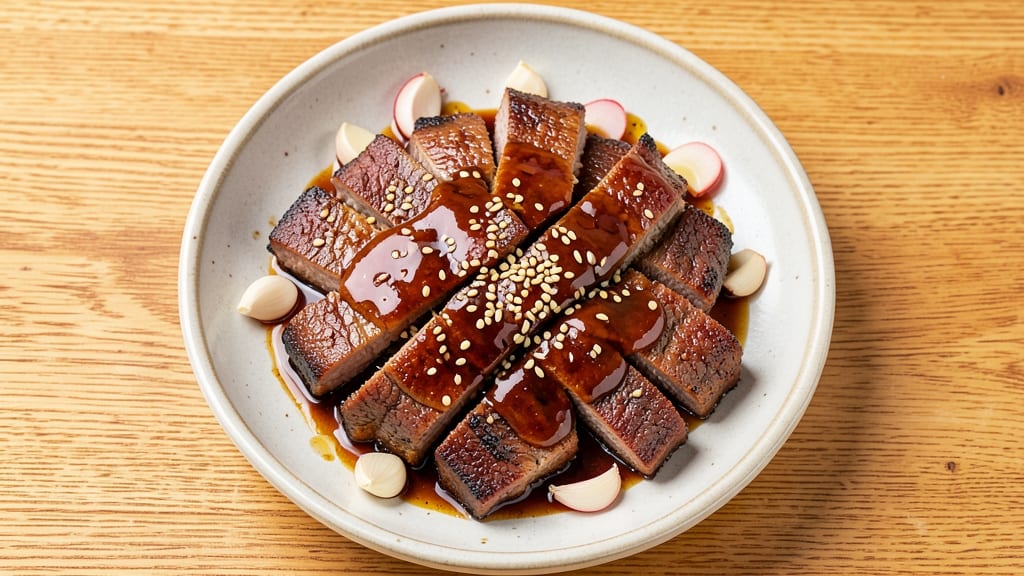
This Korean BBQ-style kalbi beef recipe delivers restaurant-quality ribs with tender meat and caramelized sweetness that will transform your dinner table. The secret lies in marinating short ribs overnight in a blend of soy sauce, brown sugar, and garlic—a technique that ensures deep flavor penetration and that signature glossy glaze.
I've perfected this method after years of experimentation, balancing traditional Korean flavors with modern cooking convenience.
The beauty of kalbi beef is its versatility—you can achieve the same results whether you grill over charcoal, sear in a cast-iron skillet, or use your oven's broiler.
The marinade works its magic while you sleep, so when you're ready to cook, the ribs will fall off the bone with minimal effort. This dish is perfect for special occasions or when you want to impress guests without spending hours in the kitchen.
What makes this recipe truly special is the caramelized crust that forms during cooking, creating a perfect balance of sweet, savory, and umami flavors. The ribs develop a beautiful amber glaze that adds both visual appeal and depth of flavor.
Serve them with steamed rice and quick-pickled vegetables for an authentic Korean meal experience that feels both comforting and sophisticated.
Whether you're hosting a dinner party or treating yourself to a special meal, this kalbi beef recipe delivers professional-quality results with simple techniques. The key is patience—letting the marinade work its magic and cooking the ribs to the perfect level of tenderness.
Let's get started on creating this flavorful centerpiece for your table.
Ingredients for kalbi beef
Restaurant-quality kalbi beef starts with these 14 ingredients—each playing a crucial role in that signature caramelized sweetness.
| Ingredient | Amount | Notes |
|---|---|---|
| Beef Short Ribs 🥩 | 2 lb | Bone-in, cut into 1-inch cubes |
| Korean Soy Sauce (Ganjang) 🥫 | ½ cup | High-quality, not sweetened |
| Brown Sugar 🍯 | ½ cup | Packed, dark variety preferred |
| Sesame Oil 🫒 | 2 tbsp | Toasted, not flavored |
| Garlic Cloves 🧄 | 8 cloves | Peeled, minced finely |
| Fresh Ginger 🌿 | 2 tbsp | Grated, not powdered |
| Asian Pearl Onions 🧅 | 2 whole | Thinly sliced, white part only |
| Rice Vinegar 🍶 | 2 tbsp | White vinegar substitute |
| Sesame Seeds 🌱 | 1 tbsp | Toasted for garnish |
| Vegetable Oil 🫒 | 2 tbsp | High smoke point |
| Green Onions 🧅 | 4 whole | Thinly sliced, for garnish |
| Diamond Crystal Kosher Salt 🧂 | 1 tsp | For seasoning |
| Black Pepper 🌶️ | ½ tsp | Freshly ground |
| Honey 🍯 | 1 tbsp | For glaze enhancement |
The beef is non-negotiable—bone-in short ribs are essential for that melt-in-your-mouth tenderness. Costco or Whole Foods carry the best cuts, but any butcher will trim them properly if you ask. Look for well-marbled meat with a vibrant red color—no grayish hues. The ribs should be roughly 1-inch cubes after trimming. If you can't find short ribs, beef chuck roast works in a pinch, but it won't be as tender. For the soy sauce, Kikkoman Korean Ganjang is my go-to—it's sweeter than regular soy sauce and adds that authentic depth. If you can't find it, regular soy sauce plus 1 tbsp sugar gets you close.
No sesame oil? Toasted peanut oil works in a bind, though it lacks that nutty depth. Fresh ginger is ideal, but substitute 1 tbsp ground ginger if needed—just know it won't be as aromatic. The onions are key for that sweet crunch, but regular yellow onions sliced thinly will do. For the vinegar, apple cider vinegar adds a fruity note if you're feeling adventurous. The honey is optional but worth the extra minute to caramelize those ribs—it enhances the glaze beautifully. If you're short on time, skip it, but your sauce will be slightly less glossy. The sesame seeds? Toast them in a dry pan for 30 seconds—they'll smell amazing and add that final crunch.
Marinate the ribs overnight for maximum flavor, but no longer than 24 hours—the meat can get mushy. Store the marinade in a sealed container in the fridge, and give it a good stir before using. The cooked ribs reheat beautifully—2 minutes in the microwave or 10 minutes in a 350°F oven revives that caramelized crust. For leftovers, portion them into airtight containers with a drizzle of the leftover marinade—keeps for 3 days in the fridge. Freeze for up to 3 months by wrapping tightly in foil and plastic. Trust me, these ribs taste even better the next day as the flavors meld.
Why You'll Love This Recipe
- One-Pan Magic: I swear by this recipe because it’s that easy—just ribs, ganjang, and a splash of sesame oil in one pan. No chopping, no fuss, and the garlic cloves sizzle into oblivion while you stir. Honestly, I’ve made it while scrolling through my phone.
- Sweet-Savory Bomb: That caramelized sugar crust? Chef’s kiss. The ganjang gives it depth, the brown sugar melts into a sticky glaze, and the sesame oil adds this nutty, umami punch. It’s the kind of dish where every bite makes you go, “Wait, that’s it?”
- Leftovers for Days: Between us, this recipe begs for seconds—and thirds. The ribs stay tender for hours, so I make a double batch, wrap it up, and reheat it all week. My lunchbox never looked this good.
- Budget Crowd-Pleaser: Short ribs aren’t cheap, but a few pounds go a long way here. The ganjang and sugar stretch the flavor, and the garlic makes it feel special without breaking the bank. Perfect for game nights or when friends drop by unannounced.
Step-by-step instructions for kalbi beef recipe
Transform tough ribs into melt-in-your-mouth kalbi with this precise, flavor-packed method.
Prepare the Marinate for Maximum Flavor
In a large mixing bowl, combine the 0.5 cup Korean soy sauce (ganjang), 0.5 cup brown sugar, 2 tbsp sesame oil, 2 tbsp rice vinegar, 1 tbsp honey, 1 tsp diamond crystal kosher salt, and 0.5 tsp black pepper. Whisk vigorously until the brown sugar dissolves completely—this creates a smooth, syrupy base that will cling perfectly to the ribs.
Next, add the 8 cloves minced garlic cloves and 2 tbsp grated fresh ginger. Stir well to distribute these aromatic ingredients evenly throughout the marinade. The ginger will infuse a subtle warmth, while the garlic delivers that unmistakable Korean depth. Let this marinade sit at room temperature for 15 minutes to allow the flavors to meld together—this short waiting period makes a noticeable difference in the final result.
Marinate the Ribs and Develop the Glaze
Add the 2 lb beef short ribs to the marinade, turning them to coat completely. Here's where the magic happens: let the ribs marinate for at least 2 hours, but I recommend 4 hours if possible. The longer they sit, the deeper the flavor penetration and the more caramelized the exterior becomes. Place the bowl in the refrigerator during this time to prevent bacterial growth while allowing the marinade to work its transformative power.
After marinating, transfer the ribs to a baking dish or roasting pan. The marinade should be thick and sticky—this ensures maximum flavor transfer during cooking. If the marinade appears too thin, place the dish uncovered in the refrigerator for 30 minutes to allow some of the liquid to evaporate. This concentrated marinade is what creates that signature glossy, caramelized crust we're after.
Sear the Ribs for Irresistible Crust
Preheat your oven to 375°F. Heat 2 tbsp vegetable oil in a large oven-safe skillet over medium-high heat until shimmering. Working in batches if needed, carefully remove the ribs from the marinade (reserve the excess marinade) and sear them for 2-3 minutes per side until they develop a deep golden-brown crust. This searing step is crucial—it locks in juices and creates that perfect contrast between tender meat and crispy exterior.
As you sear, you'll notice the marinade caramelizing on the surface of the ribs. This is exactly what we want—those dark, glossy patches indicate the formation of melanoidins, which add both color and depth of flavor. Transfer the seared ribs to a baking dish, pouring any remaining caramelized marinade from the skillet over the top. This ensures every bite gets that sweet-savory coating.
Braise Until Fork-Tender Perfection
Place the seared ribs in the preheated 375°F oven and bake uncovered for 1 hour and 30 minutes. The ribs should be submerged in their caramelized marinade, which will bubble and reduce during cooking. This braising method breaks down the connective tissue, transforming tough ribs into silky, melt-in-your-mouth texture. You'll know they're ready when they reach an internal temperature of 205°F and the meat pulls apart easily with a fork.
About 20 minutes before the ribs are done, add the 2 whole thinly sliced Asian pearl onions and 4 whole thinly sliced green onions to the baking dish. These will soften beautifully in the reduced marinade, absorbing all those incredible flavors. The onions should be tender but still hold their shape—this indicates they've cooked just enough to enhance the dish without becoming mushy.
Finish with Toasted Sesame Seeds and Serve
Remove the ribs from the oven and transfer them to a serving platter. Sprinkle generously with 1 tbsp toasted sesame seeds—this adds a delightful nutty crunch that contrasts perfectly with the tender meat. The sesame seeds should be toasted just until golden and fragrant; I like to dry-toast them in a small pan over low heat for 1-2 minutes before sprinkling.
Let the kalbi rest for 5 minutes before serving to allow the juices to redistribute throughout the meat. This resting period is essential—it prevents the juices from pooling on your plate instead of staying in the meat where they belong. Serve immediately with steamed rice and a simple side of quick-pickled cucumbers to cut through the richness. Each bite should deliver a perfect balance of sweet, savory, umami, and a touch of spicy heat from the garlic and ginger.
Pro Tips For Making Kalbi Beef
- CUT THE FAT FIRST: Trim the thick white fat cap off the short ribs before marinating—it doesn’t render flavor, just turns greasy. I learned this the hard way after serving kalbi with a pool of oil that made my guests reach for napkins instead of seconds.
- MARINATE OVERNIGHT (NOT 30 MINUTES): Let the ribs soak in ganjang, sugar, and garlic for at least 12 hours. The sugar needs time to break down the collagen, and the ganjang’s salt will actually penetrate the meat if you give it a chance. I used to rush it, and the ribs always tasted dry and one-note.
- LOW AND SLOW IS NON-NEGOTIABLE: Start searing, then drop the heat to 275°F (135°C) and cook covered for 2.5–3 hours. Skipping the slow cook or rushing with high heat will leave you with tough, chewy meat. Trust me, your patience will pay off with fork-tender ribs.
- FINISH WITH SESAME OIL LAST: Toss the cooked ribs with sesame oil after they’ve rested—adding it earlier will make them soggy. A quick drizzle right before serving adds that nutty aroma without turning your kalbi into a greasy mess. (Yes, even if you’re impatient like me.)
Dietary considerations for this dish
Gluten-Free Adaptations
Traditional kalbi marinade relies on soy sauce, which contains gluten. For a gluten-free version, swap the 0.5 cup Korean soy sauce (ganjang) with 0.5 cup gluten-free tamari or coconut aminos. Both provide that signature umami depth without gluten.
I've tested San-J Tamari and Annie Chun's Coconut Aminos—they work beautifully. Just reduce the brown sugar slightly by 1 tbsp since these alternatives are less salty. 🌱
Low-Sodium Options
The original recipe uses 1 tsp kosher salt, which adds up with the soy sauce. For a lower-sodium version, reduce the salt to 0.5 tsp and use low-sodium soy sauce like Kikkoman Low Sodium.
Boost flavor with an extra 1 tbsp honey or 1 tsp fish sauce (like Red Boat Original) for umami without added salt. Taste as you go—you might need to add a pinch more salt at the end.
Dairy-Free Considerations
While this recipe is naturally dairy-free, always check your Korean soy sauce for hidden additives—some brands contain traces of whey. For extra caution, use certified dairy-free soy sauce like Kikkoman Gluten-Free Soy Sauce.
The caramelized glaze remains rich and flavorful without any dairy components. If serving with sides, opt for dairy-free kimchi or pickled vegetables to complete the meal.
Allergen-Friendly Swaps
Sesame seeds are a common allergen, but they're optional in this recipe. For sesame-free versions, skip the 1 tbsp toasted sesame seeds garnish and substitute with 1 tbsp chopped toasted peanuts or crushed potato chips for crunch.
If someone has a sesame allergy, also verify your sesame oil is pure—some brands blend it with other oils. For nut-free kitchens, Pom Wonderful pomegranate seeds add a lovely contrast.
Meat Alternatives
For a vegetarian version, use extra-firm tofu pressed and cubed, or hearty mushrooms like portobello caps. Marinate them in the same sauce for at least 4 hours to absorb flavors. For a meaty texture, try beyond meat crumbles mixed with 1 tbsp nutritional yeast for umami.
The cooking method remains identical—sear and braise until tender. The result won't be identical, but it delivers satisfying sweet-savory flavors.
Nutrition facts
Frequently asked questions about kalbi beef
Can I make kalbi beef without a grill?
While traditional kalbi is grilled, you can achieve the same results in your oven or stovetop. For oven-baked kalbi, sear the ribs first in a skillet, then transfer to a baking dish with marinade and bake at 375°F for 1 hour 30 minutes. For stovetop, use a heavy pan and cook on medium-low heat for 20-25 minutes, turning occasionally to caramelize all sides. The key is patience—low heat prevents burning while developing that signature glaze.
How do I prevent the ribs from drying out?
Keep the ribs moist by ensuring they're always partially submerged in marinade during cooking. If using the oven, cover the baking dish with foil for the first 45 minutes to trap steam, then uncover to caramelize. For stovetop, add 1-2 tbsp water to the pan every 5 minutes to maintain moisture. Never overcook—ribs are done at 205°F internal temperature, when they're fork-tender but still juicy.
What's the best way to reheat leftover kalbi?
Reheat in a skillet over medium-low heat with 1 tbsp water or broth for 3-4 minutes per side until warmed through. The steam helps restore the caramelized crust. For microwave reheating, cover with a damp paper towel and heat for 1-2 minutes—this prevents drying. Avoid high heat, which can make the meat tough. Leftovers actually improve as flavors meld further!
Can I use regular beef ribs instead of short ribs?
While short ribs are ideal for their marbling and tenderness, you can use beef ribs (like back ribs) if that's what's available. For best results, trim excess fat and marinate for 6-8 hours instead of 4 to compensate for the leaner meat. The cooking time remains similar, but check for doneness at 195°F internal temperature. The texture will be slightly less melt-in-your-mouth but still delicious.
Why does my kalbi look dry after cooking?
Overcooking is the most common cause—kalbi should be tender at 205°F, not dry. If yours turned out tough, try these fixes next time: Marinate longer (8+ hours), cook at lower heat, and cover with foil during the first half of cooking. The sugar in the marinade caramelizes quickly, so monitor closely. For rescue, slice thinly and serve with extra marinade as a sweet-savory sauce.