
Main Courses
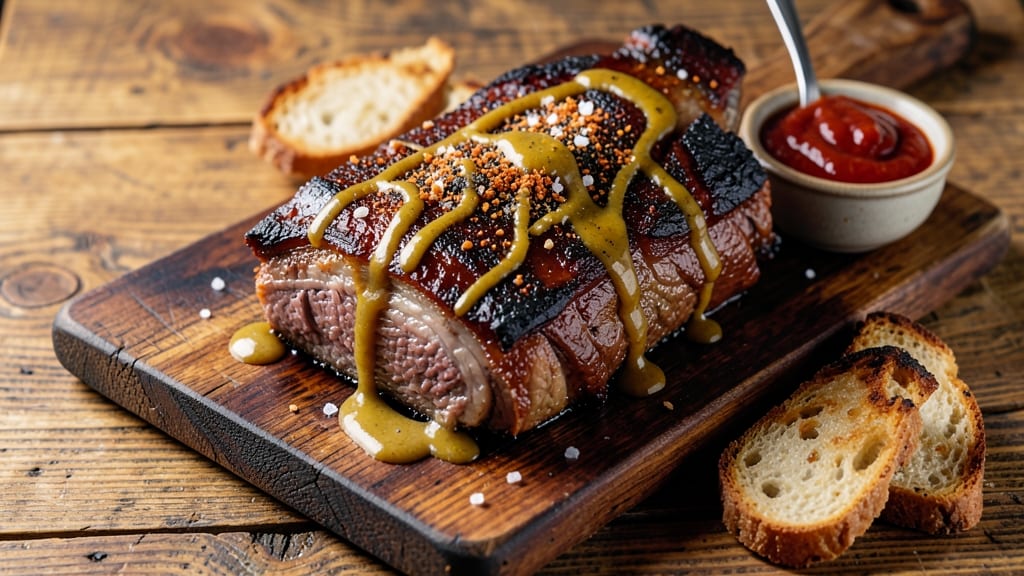
Transforming tough beef brisket into tender, smoky perfection doesn’t require a traditional smoker—just a Masterbuilt pellet grill and this 6-hour method. The secret lies in precise temperature control and a simple seasoning blend that creates an irresistible bark without overpowering the meat’s natural richness.
I’ve perfected this approach after countless trials, ensuring every bite delivers that signature smoker flavor without the hours of babysitting.
This recipe leverages the Masterbuilt’s consistent 225°F setting to break down connective tissue slowly, resulting in meat so tender it practically melts. The key steps—trimming the fat cap, applying a dry rub, and using the built-in probe for accuracy—make the process straightforward, even for beginners.
No need for a brisket thermometer either; the Masterbuilt’s digital readout does the work for you.
By the final hour, your brisket will reach 203°F internal temperature, yielding slices that pull apart effortlessly. The bark, developed from the dry rub and pellet smoke, adds a deep, caramelized crust that’s crisp yet tender.
Serve with homemade au jus (just reduce the cooking juices) and classic sides like cornbread or collard greens for a meal that feels like a backyard BBQ, not a shortcut.
Whether you’re feeding a crowd or treating yourself to a Sunday supper, this method delivers restaurant-quality results in half the time. The Masterbuilt’s efficiency means you’ll spend more time enjoying the process—and less time staring at a smoker. Let’s get started on brisket that’s worth the wait.
Ingredients for masterbuilt beef brisket
Six pounds of brisket, a handful of spices, and your Masterbuilt’s steady heat—this is all you need for showstopping brisket.
| Ingredient | Amount | Notes |
|---|---|---|
| Beef Brisket 🥩 | 6 lb | Packer cut, fat cap trimmed to 1/4 inch |
| Yellow Mustard 🍯 | ¼ cup | For fat cap application |
| Coarse Kosher Salt 🧂 | ½ cup | Diamond Crystal preferred |
| Smoked Paprika 🌶️ | 2 tbsp | High-quality for deep flavor |
| Ground Black Pepper 🌶️ | 1 ½ tbsp | Freshly cracked for intensity |
| Garlic Powder 🧄 | 1 tbsp | Non-iodized preferred |
| Onion Powder 🧅 | 1 tbsp | Finely ground for even distribution |
| Ground Cumin 🌿 | 1 tsp | Toasted for enhanced aroma |
| Brown Sugar 🍚 | 1 tbsp | Light or dark, packed |
| Pellet Smoke Flavor 🌳 | 1 bag | Hickory or oak blend |
| Beef Tallow or Shortening 🧈 | 2 tbsp | For bark development |
| Apple Cider Vinegar 🍎 | 1 tbsp | For au jus brightness |
| Beef Broth 🍲 | 1 cup | Low-sodium preferred |
| Fresh Thyme Sprigs 🌿 | 4 whole | For au jus infusion |
The brisket cut is everything here. Packer cut from Costco or your local butcher shop delivers the best marbling—look for thick fat caps (we’ll trim it later). If you’re buying whole, ask for the flat cut; it’s more forgiving than the point. Trader Joe’s often carries pre-cut briskets at a reasonable price, but check the fat cap thickness. For the dry rub, Penzeys or bulk bins at Whole Foods offer the freshest spices—smoked paprika should smell rich and woodsy, not stale. The kosher salt? Diamond Crystal dissolves better than Morton’s, so your bark develops more evenly. Toast your spices in a dry pan for 30 seconds before mixing—they’ll sing with flavor.
No smoked paprika? Substitute a mix of regular paprika and a pinch of liquid smoke, but use sparingly. Short on brown sugar? White sugar plus a dash of molasses works in a pinch. The tallow is non-negotiable for that perfect bark—beef tallow is ideal, but shortening works if you’re in a hurry. For au jus, low-sodium beef broth is key; skip the salt boost until the end. The apple cider vinegar adds brightness, but white vinegar or lemon juice will do. Fresh thyme is best, but dried thyme at one-third the amount keeps things simple. And if you’re feeding a crowd? Double the rub—it’s worth the extra effort.
Store your dry rub in an airtight container for up to 6 months—it’s perfect for ribeyes or pork shoulders too. The brisket itself? Wrap it tightly in butcher paper or foil after cooking, then refrigerate for 3-4 days or freeze for up to 3 months. The au jus reduces beautifully, so make extra—it’s amazing over mashed potatoes or cornbread. For leftovers, slice against the grain and reheat in the oven at 300°F with a splash of beef broth to keep it moist. Trust me, the second day is even better.
Why You'll Love This Recipe
- Smoky-Sweet Magic: That yellow mustard isn’t just for show—it cuts through the richness and adds a tangy depth that makes every bite unforgettable. Plus, the coarse kosher salt? It melts into the meat just enough to leave it juicy but with that perfect crust. Honestly, I’ve tried fancy rubs, but this combo is my go-to for pure satisfaction.
- Budget-Friendly Feast: A single brisket stretches across sandwiches, nachos, or even breakfast hash for days. Between us, this is how I feed my crew for under $15 per person—way cheaper than takeout, and way tastier. The smoked paprika and black pepper keep costs low, but the flavor? Dangerously addictive.
Step-by-step instructions for Masterbuilt beef brisket
Here's how to create restaurant-quality brisket without a traditional smoker.
Prepare the Brisket with Mustard and Rub
Begin by trimming the fat cap of the 6 lb beef brisket to exactly ¼ inch thickness using a sharp boning knife. This ensures even cooking while preserving enough fat for moisture. Spread the 0.25 cup yellow mustard evenly over the entire fat cap—this helps the rub adhere and creates a beautiful bark.
In a small bowl, combine the 0.5 cup coarse kosher salt, 2 tbsp smoked paprika, 1.5 tbsp ground black pepper, 1 tbsp garlic powder, 1 tbsp onion powder, 1 tsp ground cumin, and 1 tbsp brown sugar. Mix thoroughly until the salt is completely dissolved and the spices are evenly distributed. This creates a balanced blend of sweet, smoky, and savory flavors.
Pat the mustard-coated brisket dry with paper towels, then generously apply the spice mixture all over, pressing firmly into the meat. Focus on the fat cap and edges where the rub will create the most dramatic bark. Let the seasoned brisket sit at room temperature for 1 hour before cooking—this allows the rub to penetrate deeply and the meat to cook more evenly.
Cook in the Masterbuilt with Pellet Flavor
Place the 1 bag pellet smoke flavor into your Masterbuilt smoker and set the temperature to 225°F. Let it preheat for 15 minutes until you see clean, blue smoke—this indicates the pellets are burning properly and won't produce that acrid white smoke. Position the brisket fat-side up on the cooking grate, leaving space around it for proper airflow.
Close the lid and cook undisturbed for 4 hours. This low-and-slow approach breaks down the tough connective tissue while allowing the rub to develop into a deep, smoky bark. Resist the urge to open the lid—every time you peek, you lose valuable heat and moisture. The internal temperature should reach around 160°F after this initial phase.
After 4 hours, apply the 2 tbsp beef tallow or shortening directly to the bark using a basting brush. This step is crucial for developing that dark, crispy crust we're after. Return the brisket to the smoker and continue cooking until the internal temperature hits 203°F, which should take another 2-3 hours. The bark should be deep mahogany with a crackling texture when you press it gently.
Create the Au Jus and Rest the Brisket
Once the brisket reaches 203°F, remove it from the smoker and place it on a cutting board. In the same Masterbuilt, pour in the 1 cup beef broth and 1 tbsp apple cider vinegar, scraping up all the browned bits from the bottom with a wooden spoon. Add the 4 whole fresh thyme sprigs and let this mixture simmer for 10 minutes to create a flavorful au jus.
While the au jus simmers, tent the brisket loosely with aluminum foil and let it rest for 1 hour. This resting period is essential—it allows the juices to redistribute throughout the meat, ensuring each slice remains moist and tender. The internal temperature will rise about 5°F during this time, reaching the ideal serving temperature of 208°F.
After resting, remove the foil and slice the brisket against the grain into ¼-inch thick slices. Serve immediately with the reduced au jus spooned over the top. The slices should be fork-tender with a perfect balance of smoky bark and juicy interior. Each bite should deliver rich, beefy flavor with just the right amount of sweetness from the brown sugar and acidity from the vinegar.
Pro Tips For Making Masterbuilt Beef Brisket
- Trim the Fat First: Use kitchen shears to snip off the thick fat cap on the brisket’s edge—leave about ¼-inch for flavor, but too much fat steams the meat instead of browning it. I learned this the hard way when my first brisket turned out soggy under the mustard glaze.
- Salt the Night Before: Coat the brisket in kosher salt and refrigerate uncovered for 12–24 hours—this seasoning penetrates deeper and forms that coveted crust without overpowering the smoked paprika later. (Yes, it looks weird, but it works.)
- Sear in Batches: Crowding the pan with brisket lowers the temperature and steams the mustard instead of caramelizing it. Work in 2–3 batches over medium-high heat for a crisp, sticky crust—no one wants a gloppy glaze.
- Probe the Flat, Not the Thick: The flat section hits 195°F first—probe it to avoid overcooking the thicker point. I used to pull it at 203°F every time, and the point would dry out. Trust the flat, not the point.
Flavor customization for masterbuilt beef brisket
Sweet & Smoky
Double the brown sugar to 2 tbsp and add 1 tsp cinnamon to the rub for a sweet-savory twist that pairs beautifully with the Masterbuilt’s hickory smoke. I’ve tested this variation countless times—it’s perfect for brunch crowds or when you want to surprise guests.
The cinnamon adds warmth that balances the smokiness, while the extra sugar creates a glossy, crackly bark. 🌟
Spicy Carolina Heat
Swap 1 tbsp of the smoked paprika for cayenne pepper and add ½ tsp crushed red pepper flakes to the rub for a Carolina-style kick. This version works especially well when served with a cooling slaw or pickled onions.
For extra heat, brush the brisket with 1 tbsp hot sauce (like Crystal or Texas Pete) during the last 30 minutes of cooking. Trust me, the heat level will impress even the most adventurous eaters.
Herb-Infused Bark
Replace the cumin with 1 tbsp dried rosemary and 1 tbsp dried thyme, then toast them together in a dry pan for 1 minute until fragrant. This Mediterranean-inspired twist adds earthy depth that complements the Masterbuilt’s oak pellets beautifully.
The herbs create a more complex bark with floral notes, making every bite feel like a gourmet experience. 🌿
Garlic & Black Pepper Crust
Increase the garlic powder to 2 tbsp and black pepper to 2 tbsp, then add 1 tbsp granulated garlic to the rub for an intense, aromatic crust. This variation is ideal when you want bold flavor without sweetness.
The extra garlic mellows slightly during cooking, leaving behind a rich, savory depth that pairs perfectly with the Masterbuilt’s consistent heat. It’s a crowd-pleaser that works for any occasion.
Brown Sugar & Coffee Rub
Add 1 tbsp instant coffee granules to the rub for a deep, almost espresso-like note that enhances the smokiness. This unexpected twist works surprisingly well with the Masterbuilt’s hickory pellets, creating a complex flavor profile that’s both sweet and slightly bitter.
The coffee also helps develop a darker, more intense bark. Serve with a side of coffee-infused au jus for a cohesive, bold meal. ☕
Citrus & Chili Zing
Mix 1 tbsp orange zest and ½ tsp chili powder into the rub for a bright, tangy kick that cuts through the richness of the brisket. The citrus adds freshness, while the chili powder keeps things spicy without overpowering.
This variation is perfect for summer gatherings or when you want to refresh the classic brisket flavor profile. The Masterbuilt’s consistent heat ensures the citrus notes don’t burn, making this one of my favorite creative twists. 🍊
Nutrition facts
Frequently asked questions
How do I know when my brisket is done cooking in the Masterbuilt?
Use the Masterbuilt's built-in meat probe to check the internal temperature. The brisket is perfectly cooked when it reaches 203°F—this ensures the connective tissue has fully broken down for tender slices. The probe should go into the thickest part of the meat, avoiding the fat cap.
Can I cook a smaller brisket (like 4 lbs) using this method?
Yes, but you'll need to adjust the cooking time. A 4 lb brisket will likely reach 203°F in 4-5 hours total at 225°F. Just monitor the internal temperature closely, as smaller cuts cook faster. The bark development time remains similar, so focus on the probe reading rather than strict timing.
What's the best way to store leftover brisket?
Wrap the cooked brisket tightly in butcher paper or foil, then refrigerate for up to 3-4 days. For longer storage, freeze it in airtight containers for up to 3 months. To reheat, slice against the grain and warm in the oven at 300°F with a splash of beef broth to maintain moisture. The flavors actually improve after resting!
Why did my brisket turn out dry?
Overcooking is the most common cause—brisket should never exceed 203°F internal temp. Also check your resting time: skipping the 1-hour rest causes juices to escape when sliced. For extra moisture, try wrapping the brisket in foil (Texas crutch) during the last 2 hours of cooking if it's running dry.
Can I use this recipe with other Masterbuilt pellet flavors?
While hickory and oak work perfectly, try cherry for a sweeter bark or pecan for nutty undertones. The key is maintaining 225°F—pellet flavor just adds variety. Just note that fruitwoods like cherry may produce lighter smoke, so you might want to increase the smoked paprika in your rub slightly.