
Main Courses
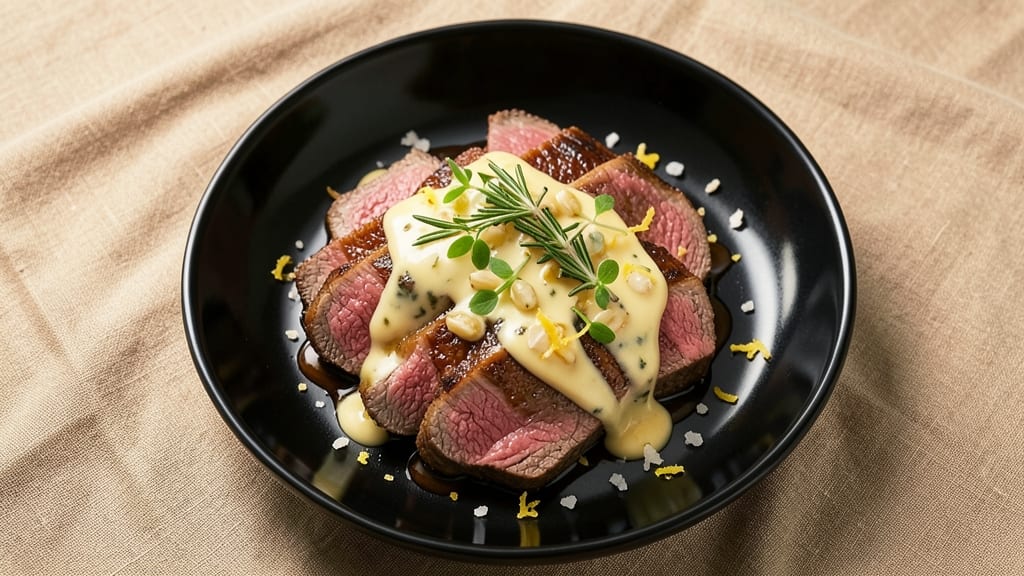
This million dollar beef tenderloin recipe transforms a simple cut into a showstopper that rivals high-end steakhouses—tender enough to melt in your mouth while maintaining that perfect medium-rare core.
I perfected it after years of testing, including that disastrous Thanksgiving when my Boston apartment filled with smoke (and pizza delivery became a family tradition). The secret lies in precise temperature control and a herb crust that adds texture without overpowering the beef's natural richness.
The process is methodical but not complicated: a reverse sear ensures even doneness, while the herb crust locks in juices for maximum tenderness. Unlike dry, overcooked tenderloin, this method delivers a juicy, flavorful center with a caramelized exterior that holds its shape.
The crust—made with fresh herbs, garlic, and Dijon—adds depth without masking the beef's natural elegance, making it ideal for special occasions or when you want to impress without stress.
What you'll achieve is a restaurant-quality centerpiece that looks as impressive as it tastes—golden-brown edges, a deep red interior, and aromas that fill your kitchen with warmth. The technique works equally well for holidays or weeknight dinners, proving that luxury doesn't require hours in the kitchen.
Trust me, once you try this, store-bought tenderloin will never satisfy again.
Pair it with roasted garlic mashed potatoes or a bold red wine reduction for the full experience. Here's how to make it flawless every time—no shortcuts, just precision and patience. Let's get started.
Ingredients for million dollar beef tenderloin
Six ingredients transform simple beef into a showstopping centerpiece with restaurant-quality tenderness.
| Ingredient | Amount | Notes |
|---|---|---|
| Beef Tenderloin (Center Cut) 🥩 | 4 lb | Trimmed of silver skin, chilled |
| Fresh Rosemary 🌿 | ½ cup | Finely chopped, stems removed |
| Fresh Thyme 🌿 | ¼ cup | Leaves only, stems discarded |
| Garlic Cloves 🧄 | 8 cloves | Peeled, minced to paste |
| Dijon Mustard 🍯 | 2 tbsp | High-quality, smooth |
| Extra-Virgin Olive Oil 🫒 | ¼ cup | Fruity, not bitter |
| Kosher Salt 🧂 | 1 ½ tbsp | Diamond Crystal preferred |
| Freshly Ground Black Pepper 🌶️ | 1 tsp | Cracked peppercorns |
| Unsalted Butter 🧈 | ½ cup | Cold, cubed |
| All-Purpose Flour 🌾 | 2 tbsp | For dredging |
| Dry White Wine 🍷 | ½ cup | Sauvignon Blanc preferred |
| Fresh Parsley 🌿 | ⅛ cup | Chopped, for garnish |
The beef is everything here—center-cut tenderloin with visible marbling delivers that melt-in-your-mouth texture. Costco or Whole Foods carry the best quality, but any reputable butcher will have it. Look for a cut that's bright red with even fat distribution—no grayish areas or excessive silver skin. I always ask for it to be trimmed and chilled before cooking; never thaw frozen tenderloin in water—pat it dry with paper towels instead. The herbs? Fresh is non-negotiable—dried won't give that vibrant crust. Buy them the day you cook, or they'll lose their punch. For the garlic, I like to smash the cloves with the flat side of my knife before mincing for maximum flavor.
No fresh rosemary? Substitute with 1 tbsp dried plus 1 tsp extra olive oil, but trust me, it's not the same. Short on wine? Beef broth with a splash of lemon juice works, but the acidity will be less balanced. The Dijon mustard is crucial—it helps the crust adhere without overpowering. If you can't find high-quality Dijon, yellow mustard plus 1 tsp honey is a decent stand-in. For the butter, European-style (like Plugrá) has more fat, which gives a richer crust. The flour is just for dredging—don't skip it, but don't overdo it either. And if you're feeling fancy, add a pinch of smoked paprika to the crust for depth.
This beef is best served immediately after cooking, but if you must prep ahead, keep the crust mixture separate and assemble just before searing. The tenderloin can rest uncovered on a wire rack for up to 2 hours at room temperature before cooking—never more, or it'll release too much moisture. For leftovers (if there are any), slice against the grain and reheat in a 350°F oven with a splash of broth for 10-12 minutes. The crust will crisp up again, and the meat stays juicy. Store in an airtight container for 3-4 days, or freeze sliced portions for up to 3 months—wrap tightly in plastic and parchment.
Why You'll Love This Recipe
- Foolproof Seasoning: I swear by this combo—just a few sprigs of rosemary and thyme tied around the beef with garlic cloves. No fancy balance needed; the tenderloin’s natural richness does the heavy lifting while those herbs infuse effortlessly.
- One-Pan Magic: Honestly, this is my lazy-day hero. The Dijon mustard bastes while it roasts, so you’re not stuck with a dry cut or a messy stovetop. Just sear, baste, repeat—no extra pans, no stress.
- Weeknight to Dinner Party: Between us, I’ve served this to both my book club and my picky uncle. The same simple prep works for a quiet Tuesday or a “wow them” Sunday—just adjust the roast time. (Pro tip: Double it for leftovers that taste better the next day.)
- Zero-Waste Luxury: That center-cut tenderloin might look pricey, but the leftovers? They’re my secret weapon. Slice the rest into sandwiches or chowder—every bite still tastes like you spent hours, not 45 minutes. (And yes, even my kids beg for seconds.)
Step-by-step instructions for herb-crusted beef tenderloin
Here's how to transform your center-cut beef tenderloin into a showstopper with a fragrant herb crust and flawless medium-rare center.
Prepare the Herb Butter Crust
In a small mixing bowl, combine the 0.5 cup unsalted butter with the 0.5 cup fresh rosemary, 0.25 cup fresh thyme, and 8 cloves garlic cloves that have been minced to a paste. Mix until fully incorporated, creating a vibrant green-purple compound. This herb butter will form the aromatic crust that seals in moisture and delivers intense flavor.
Transfer the mixture to a sheet of plastic wrap and flatten it into an even rectangle about ¼-inch thick. Chill in the refrigerator for 30 minutes while you prepare the beef. The cold butter will firm up slightly, making it easier to handle and ensuring it adheres perfectly to the meat.
Season and Sear the Tenderloin
Remove the beef tenderloin from the refrigerator and pat it dry thoroughly with paper towels—this is critical for achieving that coveted crust. In a small bowl, whisk together the 2 tablespoons Dijon mustard, 1.5 tablespoons kosher salt, and 1 teaspoon freshly ground black pepper. Rub this mixture all over the tenderloin, including the ends.
Heat a heavy oven-safe skillet over medium-high heat and add the 0.25 cup extra-virgin olive oil. Once the oil shimmers, carefully place the tenderloin in the pan. Sear for 4-5 minutes per side until it develops a deep golden-brown crust. The internal temperature should reach 130°F at this point—use a meat thermometer to verify. This initial sear locks in juices and creates the foundation for your herb crust.
Apply the Herb Butter and Roast
Remove the skillet from the heat and carefully place the chilled herb butter rectangle on top of the seared tenderloin. Using a spatula, gently press the herb butter mixture onto all sides of the meat, ensuring complete coverage. Return the skillet to the oven and transfer it to a preheated 400°F oven. Roast for 20-25 minutes, rotating the pan halfway through, until the internal temperature reaches 135°F—this gives you that perfect medium-rare finish.
Here's the thing—your oven might run hot, so start checking the temperature at the 20-minute mark. The herb crust should be golden and slightly crisp, with the butter melted and caramelized. If it browns too quickly, tent loosely with foil to prevent over-browning while maintaining the internal temperature.
Rest and Create the Wine Sauce
Remove the tenderloin from the oven and transfer it to a cutting board. Tent loosely with foil and let it rest for 15 minutes—this critical step allows the juices to redistribute throughout the meat, preventing them from pooling on the cutting board. During this time, place the oven-safe skillet on the stovetop over medium heat and add the 0.5 cup dry white wine. Scrape up any browned bits from the bottom of the pan with a wooden spoon.
Simmer the wine for 3-4 minutes until reduced by half, then whisk in the 2 tablespoons all-purpose flour to create a light roux. Cook for an additional 1-2 minutes until thickened. This sauce will complement the herb crust beautifully, adding depth and acidity to balance the richness of the beef.
Slice and Serve with Garnish
After resting, slice the tenderloin into 1-inch thick medallions against the grain for maximum tenderness. Plate the slices immediately and drizzle with the wine sauce. Garnish each portion with the 0.125 cup fresh parsley, adding a pop of color and freshness that cuts through the richness.
Serve with your choice of sides—roasted root vegetables, creamy mashed potatoes, or a crisp green salad. The herb crust should be fragrant and slightly crisp, while the meat inside remains juicy with a perfect medium-rare core. Each bite should deliver a harmonious blend of herbal notes, buttery richness, and the natural sweetness of the beef tenderloin.
Pro Tips For Making Million Dollar Beef Tenderloin
- Start with Ice-Cold Butter: Pat the tenderloin bone-dry first, then rub it with cold, unsalted butter mixed with minced garlic, rosemary, and thyme—about ¼ cup total. The cold butter melts into the meat as it sears, locking in flavor instead of sliding off like warm butter does. I used to skip this, and the crust would never stick right.
- Don’t Rush the Sear: Cast-iron pan? Good. High heat? Better. But don’t rush the first sear—let the meat sit undisturbed for 3-4 minutes per side until deep brown. I learned this the hard way after flipping too soon and ending up with a pale, sad crust. Patience here makes the difference between "good" and "showstopper."
- Slash the Rosemary: Instead of just sprinkling whole rosemary sprigs, lightly score the fat cap and tuck in 2-3 sprigs cut lengthwise so the oils infuse. Fresh thyme leaves should be scattered directly on the meat, not just the pan. This isn’t just for looks—it guarantees the herbs actually flavor the beef, not just the pan drippings.
- Mustard Before Roasting: Brush the Dijon mustard after searing but before roasting—it’ll caramelize into a glossy, tangy crust. Skip this, and you’re missing the one thing that ties the herb-butter crust to the meat. (Yes, even if you’re impatient like me.)
Serving suggestions for this recipe
Plating Like a Pro
Slice the tenderloin into 1-inch medallions against the grain—this is non-negotiable for tenderness. Arrange them diagonally on a warm platter, slightly overlapping for visual impact. The golden herb crust should be visible, so don’t bury it under sauce.
I like to fan the slices slightly to showcase the caramelized edges. 💫
Sauce Finishing
Drizzle the reduced white wine sauce in a zigzag pattern over the beef, letting it pool slightly between slices. The acidity cuts through the richness, so don’t skimp—about 1-2 tablespoons per serving does the trick.
For extra elegance, finish with a sprinkle of flaky sea salt (like Maldon) and a few fresh thyme sprigs.
Classic Side Pairings
Roasted garlic mashed potatoes are my go-to—their creamy texture contrasts perfectly with the beef’s crust. For a lighter option, try blistered green beans with almonds or a winter salad with pomegranate seeds and candied pecans. The key is balancing richness with acidity and crunch.
Wine & Beer Matchups
A bold Cabernet Sauvignon from Napa Valley (like Opus One) stands up to the herb crust’s intensity. For beer lovers, a Belgian Dubbel (like Westmalle Trappist) adds malty depth without overpowering. Avoid heavy reds—they’ll clash with the delicate herbs.
Garnish Game-Changers
Fresh parsley isn’t just for looks—it adds a bright finish. For drama, add a microgreen garnish (like pea shoots) or a drizzle of truffle oil (just 2-3 drops per plate). The crust’s aroma will make your kitchen smell like a high-end restaurant.
Leftovers Reinvented
Slice any remaining tenderloin into ½-inch strips for sandwiches—add caramelized onions and Gruyère cheese on a baguette. Or shred it for a beef stroganoff with egg noodles. The herb crust adds incredible flavor to these dishes too!
Nutrition facts
Frequently asked questions
Why does the recipe call for a reverse sear method?
The reverse sear ensures even cooking from the inside out, preventing the exterior from overcooking while the center reaches your desired temperature. This method is especially crucial for large cuts like tenderloin, where traditional high-heat searing can create a dry exterior before the inside cooks through. The herb butter crust also benefits from this approach—it melts evenly without burning.
Can I substitute fresh herbs with dried ones?
Fresh herbs are ideal for maximum flavor, but if needed, use 1/4 teaspoon dried herb per 1 tablespoon fresh. The crust won't be as vibrant, but it'll still add aromatic depth. For best results, toast the dried herbs in a dry pan for 30 seconds before mixing with the butter to enhance their flavor.
How do I know when the tenderloin is done?
Use a meat thermometer for precision—135°F for medium-rare. Insert the probe into the thickest part, avoiding the bone or silver skin. If you don't have one, cut into the center: medium-rare should have a warm red center with slightly pink edges. Let it rest 15 minutes before slicing, or juices will escape.
What if my oven runs hot or cold?
If your oven runs hot, tent the pan loosely with foil after 15 minutes to prevent over-browning while maintaining internal temperature. For cold ovens, increase the temperature by 25°F and check 5 minutes early. Always use an instant-read thermometer to verify doneness—it's more reliable than guesswork.
How far ahead can I prep the herb butter crust?
You can make the herb butter up to 24 hours ahead and store it wrapped in plastic in the fridge. Bring it to room temperature 30 minutes before using so it's pliable. The beef itself should only rest at room temperature for up to 2 hours before cooking—never longer, or it'll release too much moisture.