
Sauces & Condiments
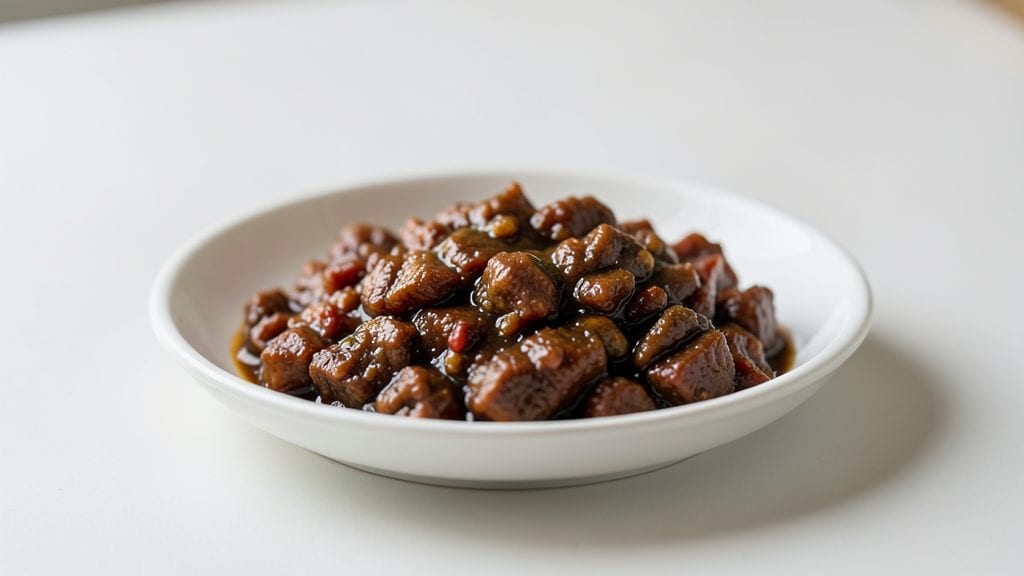
This Mongolian beef marinade recipe delivers the signature bold soy-ginger heat that transforms simple beef into restaurant-quality stir-fry. The secret lies in balancing salty, sweet, and spicy notes—just like your favorite takeout—but with precise measurements for consistent results every time.
I developed this marinade after years of testing, ensuring it tenderizes the beef while creating that signature caramelized crust when stir-fried.
The foundation of this marinade is a simple yet powerful combination: soy sauce for umami depth, fresh ginger for warmth, garlic for aromatic punch, and a touch of brown sugar to balance the flavors.
What sets this apart is the addition of sesame oil and red pepper flakes, which add nutty richness and subtle heat without overpowering the beef's natural taste. The marinade works best when applied 30 minutes before cooking, though longer marinating (up to 4 hours) enhances flavor penetration.
When you stir-fry the marinated beef, you'll achieve that crispy exterior with tender, juicy meat inside—exactly what makes Mongolian beef so irresistible. The marinade's sticky texture also helps create those beautiful caramelized bits on the pan, which add layers of flavor to every bite.
This isn't just a marinade; it's the key to transforming ordinary beef into a dish that rivals your favorite Asian restaurant.
The beauty of this marinade is its versatility—use it on flank steak, sirloin, or even chicken for a quick flavor boost. For extra depth, let it sit overnight in the refrigerator before using.
Once you try this, you'll never go back to store-bought sauces. Let's get started on creating your perfect stir-fry foundation.
Ingredients for mongolian beef marinade
Ten ingredients. One marinade. Restaurant-quality stir-fry at home.
| Ingredient | Amount | Notes |
|---|---|---|
| Soy Sauce 🍶 | ½ cup | High-quality, preferably Japanese |
| Fresh Ginger 🧄 | ¼ cup | Finely grated, vibrant color |
| Garlic Cloves 🧄 | 6 cloves | Minced, fresh preferred |
| Brown Sugar 🍯 | ¼ cup | Light or dark, packed |
| Sesame Oil 🫒 | 1 tbsp | Toasted, not flavored |
| Red Pepper Flakes 🌶️ | 1 tsp | Adjust for heat preference |
| Cornstarch 🌾 | 1 tbsp | For tenderizing effect |
| Honey 🍯 | 1 tbsp | Substitute maple syrup if needed |
| Rice Vinegar 🍶 | 1 tbsp | White or seasoned |
| Sesame Seeds 🥜 | 1 tbsp | Toasted, for garnish |
The soy sauce is non-negotiable—Kikkoman or Japanese brands like Yamasa give that authentic umami punch. Fresh ginger is a must; organic from the produce section has more zing than jarred versions. The garlic? Freshly minced (not jarred) makes all the difference. For the brown sugar, light or dark works, but avoid raw sugar—it won't dissolve properly. I always grab toasted sesame oil from the Asian aisle at Trader Joe's or Costco—it's worth the splurge for that nutty depth.
No soy sauce? Coconut aminos at 1:1 ratio works in a pinch. Ginger powder is fine, but use half the amount—it's way more concentrated. Jarred minced garlic lacks freshness, but garlic powder at 1/4 the amount gets you close. Brown sugar substitute? Agave or maple syrup keeps the sweetness balanced. Red pepper flakes too spicy? Cut to 0.5 tsp or swap for 0.5 tsp paprika. The cornstarch is key for that signature tenderizing effect—don't skip it!
This marinade keeps for 1 week in the fridge, sealed tight. For extra depth, let it sit overnight—flavors meld beautifully. Double the batch and freeze in ice cube trays for 3 months of quick stir-fry sessions. The sesame seeds? Toast them in a dry pan for 30 seconds before adding—they'll smell amazing and add crunch. Use within 1 hour of toasting for best flavor.
Why You'll Love This Recipe
- Pantry Magic: I swear by this marinade because it uses things I always have—soy sauce, ginger, and garlic—no fancy shopping needed. The sesame oil adds that nutty depth without extra effort, and the brown sugar keeps it simple but irresistible.
- Umami Bomb: That first bite? Pure flavor payoff. The garlic and ginger caramelize just enough to give it a smoky-sweet kick, while the soy sauce delivers that deep, savory punch. It’s the kind of taste that makes you reach for seconds without even thinking.
- Weeknight Hero: Between us, this marinade is my secret for busy nights. Toss it on beef strips, let them sit while I prep veggies, and boom—dinner’s ready in under 30 minutes. My kids don’t even complain when I serve it over rice or noodles.
- Budget Stretch: A little goes a long way, and it’s cheap enough to use generously. I’ve marinated chicken, tofu, even shrimp with the leftovers—always turns out solid. Honestly, it’s the kind of recipe that makes grocery day feel less stressful.
Step-by-step instructions for Mongolian beef marinade
This marinade transforms tough beef into tender, caramelized perfection with a bold umami kick.
Prepare the Ginger and Garlic Base
Start by finely grating the 0.25 cup fresh ginger using a microplane or fine grater. The ginger should yield about 2 tablespoons of vibrant, fragrant pulp—this is your aromatic foundation. In a separate bowl, mince the 6 cloves garlic into a smooth paste using a knife or garlic press. The reason for this prep is simple: finely textured ginger and garlic dissolve completely into the marinade, ensuring even flavor distribution throughout the beef.
Heat 1 tablespoon sesame oil in a small saucepan over medium-low heat for 30 seconds until fragrant but not smoking. This lightly toasts the oil, deepening its nutty flavor. Remove from heat immediately—sesame oil has a low smoke point and burns quickly. Transfer the toasted oil to a mixing bowl where you'll combine all ingredients.
Combine Wet Ingredients for Depth of Flavor
In the mixing bowl with toasted sesame oil, add the grated ginger and minced garlic. Stir to distribute evenly, letting the raw aromatics infuse with the oil for 1 minute. Then pour in the 0.5 cup soy sauce, 1 tablespoon rice vinegar, and 1 tablespoon honey. The soy sauce provides that signature umami backbone, while the vinegar brightens the profile and cuts through the sweetness of the honey.
Here's where it gets interesting: add the 0.25 cup brown sugar and 1 tablespoon cornstarch to the mixture. The sugar will caramelize during marinating, creating those beautiful glossy streaks on your beef, while the cornstarch acts as a tenderizer and helps create a crispy crust when stir-fried. Whisk vigorously until the brown sugar dissolves completely—any undissolved granules will create bitter spots in your marinade.
Build Complexity with Heat and Finish
Sprinkle in the 1 teaspoon red pepper flakes and stir until evenly distributed. This is where the marinade develops its signature heat—adjust to taste if you prefer milder or fierier results. The key is to incorporate these flakes completely; any clumps will create hot pockets in your beef. Let the mixture sit for 5 minutes at room temperature while you prepare your beef cuts.
For maximum crispiness—the promise we're delivering—this marinade needs at least 4 hours (or overnight) to work its magic. The acidity from the rice vinegar and soy sauce breaks down muscle fibers, while the sugar and cornstarch create that irresistible caramelized crust. When ready to cook, strain the marinade through a fine-mesh sieve to remove any garlic skins or ginger pulp, then pour over your beef. For best results, marinate in the refrigerator for 4-12 hours, turning occasionally to ensure even coating.
The Crispy Secret - Final Prep Before Cooking
When you're ready to cook, remove the beef from the marinade and let it sit at room temperature for 15-20 minutes. This crucial step prevents the beef from steaming in the hot pan. Pat the beef dry with paper towels—this removes excess moisture that would otherwise create steam instead of that coveted crispy crust. The dry surface allows the marinade sugars to caramelize properly when hit with high heat.
Return the strained marinade to a small saucepan and simmer over medium heat for 3-4 minutes until slightly thickened. This concentrated sauce will form the glossy glaze on your beef during stir-frying. Keep it warm until ready to use—this ensures your beef finishes cooking in its own flavorful juices rather than absorbing excess liquid from a cold sauce.
Pro Tips For Making Mongolian Beef Marinade
- Mince the Ginger Fine: I learned this the hard way—grating ginger too roughly leaves it chunky and chewy in the marinade. Use a microplane or the smallest holes of a box grater, then press it through a fine-mesh sieve to get a smooth paste. This blends seamlessly with the soy and sugar, not just sits as a textural afterthought.
- Toast the Garlic First: Skip the raw garlic cloves—mash them into a paste after lightly toasting them in a dry pan for 30 seconds until fragrant. The nutty depth cuts through the sweetness of the brown sugar and balances the soy’s saltiness. (Yes, even if you’re impatient like me.)
- Dissolve the Sugar: Brown sugar clumps are the enemy of even flavor distribution. Warm the soy sauce and ginger mixture just until the sugar fully dissolves (about 2 minutes on low heat), then cool before adding the beef. Cold clumps = sticky, uneven marinade.
- Marinate Overnight, But Not Too Long: Two hours minimum lets the flavors sink in, but beyond 12 hours, the soy starts to toughen the meat. Use a resealable bag or container, press out all air, and refrigerate. If you’re short on time, 4 hours still works—just pat the beef dry before cooking.
Common mistakes when making this recipe
Over-Marination Risks
The beef's texture can become mushy if marinated for more than 12 hours, especially with acidic ingredients like soy sauce and vinegar. I've seen this happen when people leave it overnight without turning the beef.
The acid breaks down muscle fibers too aggressively, turning tender cuts into something closer to pulled beef. For thin cuts like flank steak, stick to 4-6 hours maximum. 🧊
Skipping the Rest
Never cook marinated beef immediately after removing it from the fridge. The cold meat will steam instead of sear, ruining that crispy crust we all crave. I always let the beef sit at room temperature for 15-20 minutes before cooking.
This simple step makes all the difference between restaurant-quality and home-cooked disappointment. Use a meat thermometer to confirm it reaches 60°F before hitting the pan.
Uneven Marinade Distribution
Pouring marinade over beef without proper mixing leads to flavorless patches. I recommend slicing thicker cuts against the grain first, then tossing with marinade in a ziplock bag or shallow dish. For thin cuts like sirloin strips, use tongs to coat every surface thoroughly.
The goal is 100% contact—no dry spots should remain. Press the beef gently against the container to ensure full coverage.
Ignoring the Strain
Using unstrained marinade means transferring garlic skins and ginger pulp to your pan, which burns easily and creates bitter flavors. Always strain through a fine-mesh sieve before applying to beef.
I use a mesh strainer with a pour spout for easy transfer. This simple step prevents those unpleasant surprises when your beef hits the pan. 🧄
Wrong Sugar Type
Using raw sugar or powdered sugar instead of brown sugar creates two problems: it won't dissolve properly, and it lacks the caramelization potential we need for that signature crust. Brown sugar's molasses content is essential for creating those beautiful glossy streaks during cooking.
If you must substitute, use light or dark maple syrup at a 1:1 ratio, but don't expect identical results.
Overlooking the Cornstarch
This ingredient is often skipped, but it's crucial for both tenderizing and creating that crispy crust. The 1 tablespoon cornstarch in this recipe acts as a meat tenderizer while helping form a protective barrier during high-heat cooking.
Without it, you'll miss that perfect texture contrast between tender meat and crispy exterior. Think of it as the secret weapon in your marinade arsenal. 💡
Nutrition facts
Frequently asked questions
Can I use this marinade for chicken or pork instead of beef?
This marinade works beautifully on chicken thighs (bone-in for extra flavor) or pork tenderloin. For chicken, marinate for 2-4 hours maximum to prevent over-tenderizing. Pork benefits from 6-8 hours of marinating time for deeper flavor penetration. Just reduce the red pepper flakes to 0.5 teaspoon for pork to avoid overpowering the delicate meat.
How do I adjust the heat level in this marinade?
For milder heat, reduce the red pepper flakes to 0.5 teaspoon or substitute with 0.5 teaspoon paprika. For extra spice, add 0.5 teaspoon gochugaru (Korean red pepper flakes) or a pinch of cayenne. Remember to distribute any added spices completely—no clumps! If using fresh chili peppers, blend them into a paste first for even distribution.
Can I make this marinade ahead of time?
Yes, this marinade keeps for 1 week in the refrigerator in an airtight container. For even better flavor, let it sit overnight before using. You can also freeze it in ice cube trays for up to 3 months—just thaw completely before using. The flavors actually improve with time as the ingredients meld together, but avoid freezing if you've added fresh ginger or garlic (they'll lose some vibrancy).
What's the best beef cut for Mongolian beef?
Flank steak or sirloin are ideal for this marinade—both are flavorful and develop that signature crispy crust. For maximum tenderness, slice flank steak against the grain into ¼-inch thick strips. Ribeye or top sirloin work too but may require 20% less marinating time (4-6 hours max) to avoid over-tenderizing. Never use pre-sliced deli beef—it's too lean and lacks the right texture.
Why does my beef turn out tough instead of tender?
This usually happens from over-marinating (beyond 12 hours) or not resting the beef before cooking. The acid in soy sauce and vinegar breaks down meat fibers—too much time turns tender cuts mushy. Also, always pat the beef dry before cooking to remove moisture that would steam instead of sear. For extra tenderness, let the marinated beef sit at room temperature for 15-20 minutes before cooking to ensure even heat distribution.