
Main Courses
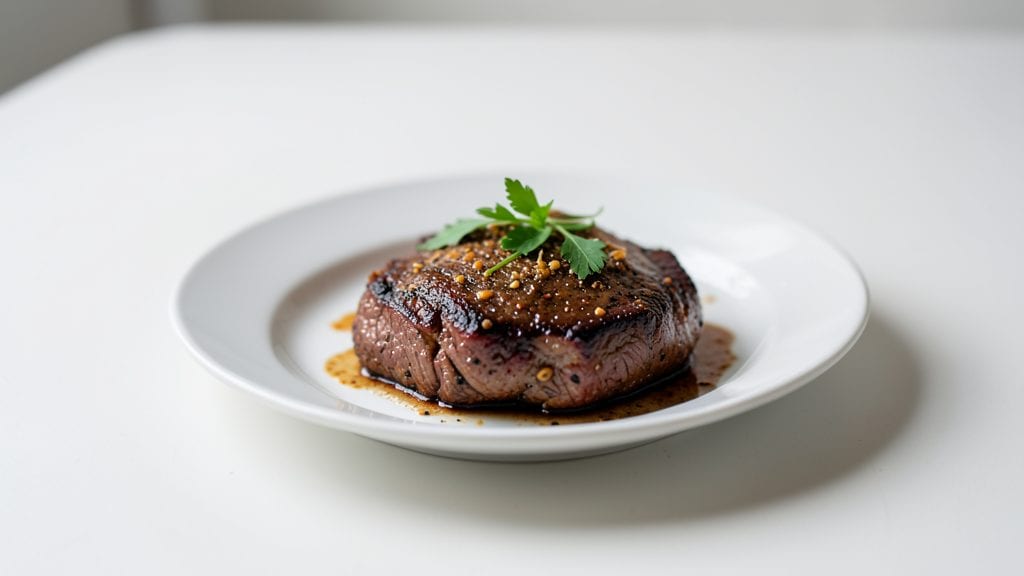
This peppered beef recipe transforms tough cuts into melt-in-your-mouth perfection with a bold spice blend and crispy edges that lock in flavor.
The secret lies in a precise balance of black pepper, garlic, and aromatic herbs that penetrate deep during the slow braise, while a final sear creates that coveted caramelized crust.
I developed this method after years of experimenting with different cooking techniques—what sets it apart is how the spices develop complexity without overpowering the natural richness of the beef.
What makes this recipe truly professional is its versatility—whether you're preparing for a dinner party or meal prepping for the week, the same technique delivers restaurant-quality results. The braising method ensures tender meat every time, while the crispy edges add texture that elevates even the simplest sides.
For best results, use chuck roast or short ribs, which become fork-tender while maintaining their structural integrity. The spice rub can be adjusted to suit your heat preference, but the foundational blend of black pepper, smoked paprika, and garlic creates the signature depth.
By the time you serve this dish, your kitchen will smell like a spice market, and every bite will deliver a perfect balance of heat, aroma, and texture. The crispy edges contrast beautifully with the tender interior, while the rich, pepper-infused sauce ties everything together.
This recipe proves that with the right technique, even simple ingredients can create a dish that feels special—no shortcuts, just precise execution. Let's get started on the preparation steps that will make this your go-to braised beef recipe.
The beauty of this peppered beef is its adaptability—serve it with mashed potatoes for a classic comfort meal, or pair it with crusty bread and roasted vegetables for a more elegant presentation. The leftovers actually improve over time as the flavors meld further, making it perfect for batch cooking.
For an extra touch of sophistication, garnish with fresh parsley before serving to highlight the vibrant color and add a bright contrast to the deep, spiced beef. This is the kind of dish that builds confidence in the kitchen while delivering results that impress even the most discerning guests.
Ingredients for peppered beef
Bold spices and tender beef create restaurant-quality braise with crispy edges.
| Ingredient | Amount | Notes |
|---|---|---|
| Chuck Roast 🥩 | 2 ½ lb | Well-marbled for tenderness |
| Black Peppercorns 🌶️ | 2 tbsp | Freshly cracked, not ground |
| Garlic Cloves 🧄 | 6 cloves | Smashed for maximum flavor |
| Smoked Paprika 🌶️ | 1 tbsp | For deep, smoky aroma |
| Dried Thyme 🌿 | 1 tsp | Or 1 tbsp fresh thyme |
| Carrots 🥕 | 4 medium | Peeled and cut into chunks |
| Yellow Onion 🧅 | 1 whole | Diced, yellow or red |
| Beef Broth 💧 | 2 cups | Low-sodium preferred |
| Red Wine 🍷 | 1 cup | Bold dry variety |
| Olive Oil 🫒 | 2 tbsp | For searing |
| Tomato Paste 🍅 | 1 tbsp | For depth of flavor |
| Bay Leaves 🍃 | 2 whole | For aromatic base |
| Fresh Parsley 🌿 | ¼ cup | Chopped for garnish |
| Salt 🧂 | 1 ½ tsp | Kosher or sea salt |
The chuck roast is your secret weapon—look for well-marbled cuts at the butcher counter. Costco or Whole Foods usually carry excellent quality, but don't overlook your local grocery store's meat department. The black peppercorns should be freshly cracked (not pre-ground) for maximum aroma—Penzeys or Spicewalla are great sources if you want to splurge. For the garlic, smash the cloves with the side of your knife before adding to release more flavor. The smoked paprika? Spanish paprika has the best balance of smokiness and sweetness—avoid the bitter-tasting varieties.
No fresh thyme? Dried works perfectly—just use one-third the amount. Running low on red wine? Beef broth with a splash of balsamic mimics the depth. The carrots can be baby carrots if that's what you've got, but peeling and cutting them into even chunks ensures consistent cooking. For the tomato paste, Trader Joe's squeeze tubes are perfect—they're shelf-stable and portion-controlled. The bay leaves add subtle earthiness, but if you're out, a pinch of dried rosemary works in a pinch. The olive oil should be high-quality—something you'd drizzle on bread, not the cheap canola blend.
This braise tastes even better the next day as flavors meld. Store in an airtight container in the fridge for up to 5 days, or freeze portions for 3 months. I like to portion it into individual containers for easy lunches—just reheat with a splash of water. The crispy edges are best enjoyed fresh, but the tender meat reheats beautifully. For extra flavor, deglaze the pan with a little more wine or broth after searing—every drop counts!
Why You'll Love This Recipe
- Minimal Chopping Required: I swear by this—just toss whole garlic cloves and crushed peppercorns into the pan with the chuck roast. No dicing, no mincing, just dump-and-go simplicity. The meat does all the work while you sip coffee.
- Deep, Smoky Magic: That smoked paprika and black peppercorns? They turn this into something ridiculously flavorful with almost no effort. The crust gets crackling, the inside stays tender, and every bite has this warm, earthy punch that makes it feel like a restaurant dish.
- Leftovers That Beg for More: Between us, this recipe always makes extra. The beef gets even better the next day—shred it for tacos, sandwiches, or just reheat with a splash of broth. Honestly, I’ve eaten it cold in wraps on a lazy afternoon, and it’s still solid.
- Budget-Friendly Powerhouse: Chuck roast is cheap, but this recipe makes it feel special. A single cut feeds six, and the spices cost pennies. I’ll be real: my grocery budget thanks me every time I pull this off, and my family never complains about the bill.
Step-by-step instructions for spice-infused beef braise
Here's how to transform tough chuck roast into melt-in-your-mouth beef with perfectly crispy edges.
Prepare the Spice Rub and Sear the Beef
In a small bowl, combine the 2 tbsp black peppercorns, 1 tbsp smoked paprika, 1 tsp dried thyme, and 1.5 tsp salt. Use a mortar and pestle or rolling pin to crush the peppercorns into coarse grains while mixing with the other spices. This creates a complex, aromatic crust that clings beautifully to the beef.
Pat the 2.5 lb chuck roast dry with paper towels - this is critical for achieving crispy edges. Rub the spice mixture all over the beef, pressing it into every crevice. Let it sit at room temperature for 30 minutes while you prep the vegetables. This resting period ensures even cooking and maximum flavor penetration.
Heat a large Dutch oven over medium-high heat and add the 2 tbsp olive oil. Once shimmering, add the beef and sear on all sides until deeply browned, about 8-10 minutes total. You want that beautiful Maillard reaction happening - the beef should develop a rich, caramelized crust. Don't rush this step; crispy edges start here.
Build the Flavor Base with Aromatics
Remove the beef from the pot and set it aside. In the same Dutch oven, add the 1 whole yellow onion and 4 medium carrots, both cut into large chunks. Sauté for 5 minutes until the vegetables begin to soften and the onions turn translucent.
Add the 6 cloves garlic cloves (smashed) and 1 tbsp tomato paste, stirring constantly for 1 minute until fragrant. This simple step creates an incredible flavor foundation that will infuse the beef during the braising process. The tomato paste adds depth while the garlic brings that essential savory punch.
Deglaze the pot by pouring in the 1 cup red wine, scraping up all those delicious browned bits from the bottom. Let it simmer for 3 minutes until reduced by half. This wine reduction will form the rich, velvety sauce that coats every bite of your peppered beef.
Braise Until Tender with Perfect Crispy Edges
Return the beef to the Dutch oven and add the 2 cups beef broth and 2 whole bay leaves. Bring to a gentle simmer, then reduce heat to low. Cover and braise for 2.5 to 3 hours, until the beef is fork-tender. Here's the secret: the beef should be able to pull apart with minimal resistance, but still hold together when sliced.
About 45 minutes before the beef is done, remove the lid and increase heat to medium-high. This final step creates those coveted crispy edges while keeping the interior perfectly tender. You'll see the surface develop a beautiful caramelized crust - this is your signal that the beef is ready.
Remove the beef and vegetables from the pot and tent with foil to keep warm. Strain the braising liquid through a fine-mesh sieve into a clean saucepan. Skim off any excess fat if desired, then return the liquid to medium heat. Simmer for 5-7 minutes until slightly thickened. Stir in the 0.25 cup fresh parsley just before serving.
Rest and Serve with Maximum Impact
Let the beef rest for 10 minutes before slicing against the grain into ¼-inch thick pieces. This resting period allows the juices to redistribute, ensuring each bite is moist and flavorful. The crispy edges will maintain their texture while the interior remains perfectly tender.
Serve the peppered beef over mashed potatoes or crusty bread, ladling that rich, pepper-infused sauce over the top. The contrast between the crispy edges and tender interior creates an incredible textural experience. Garnish with additional fresh parsley if desired - this dish tastes even better the next day as the flavors meld together.
Pro Tips For Making Peppered Beef
- CRUSH THE PEPPERCORNS: Skip the pre-ground pepper—whole black peppercorns toast in the oil until they sizzle, then grind them fresh. I learned this the hard way after using store-bought ground pepper that tasted dull and stale. The aroma alone makes the dish richer, and the texture is noticeably better.
- SEAR IN BATCHES: Don’t crowd the pan when browning the chuck roast—work in 2-3 batches if needed. I used to rush this, and the meat just steamed instead of developing that deep, caramelized crust. A hot pan and patience guarantee that flavor.
- BURST GARLIC FIRST: Smash the garlic cloves with the flat side of your knife before adding them to the pan. This releases more flavor instantly and prevents them from burning. I was skeptical until I tried it—now I do it without thinking.
- USE A THYME SPRIG: Tuck a single sprig of fresh thyme into the meat while it roasts instead of just using dried. The leaves infuse the beef directly, and you can pull it out at the end. It’s a small effort that makes a real difference in depth of flavor.
Perfect pairings for this peppered beef
Classic Side Pairings
This peppered beef shines when paired with creamy mashed potatoes—their smooth texture contrasts perfectly with the beef's crispy edges. I like using Yukon Gold potatoes boiled in their skins, then mashed with ½ cup sour cream and 2 tbsp butter for extra richness.
The acidity cuts through the beef's richness beautifully. 🥔
For a lighter option, try crusty sourdough bread—its chewy texture soaks up the pepper-infused sauce while adding a rustic touch. Toast slices in the oven with olive oil and garlic powder before serving. The bread's crunch balances the tender beef and velvety sauce.
Vegetable Accompaniments
Roasted Brussels sprouts with a balsamic glaze add a sweet-tangy contrast to the peppery beef. Toss halved sprouts with 1 tbsp olive oil, ½ tsp smoked paprika, and roast at 400°F for 20 minutes. Finish with a drizzle of reduced balsamic vinegar for brightness. 🥦
Creamy polenta provides a silky base that complements the beef's texture. Cook 1 cup polenta in 4 cups chicken broth until thick, then stir in 2 tbsp butter and ¼ cup grated Parmesan. The mild flavor lets the beef's spices take center stage.
Sauce Enhancements
For extra depth, stir 1 tsp honey into the braising sauce before serving—it balances the pepper's heat while adding a subtle sweetness. The honey also helps emulsify the sauce, making it silkier. A pinch of crushed red pepper flakes on top adds a final kick for heat lovers. 🌶️
Fresh parsley or cilantro garnishes brighten the dish's presentation and add a fresh herbal note. Chop ¼ cup parsley and sprinkle over individual servings just before eating. For a smoky touch, mix in 1 tsp chopped fresh thyme alongside the parsley.
Beverage Pairings
A bold red wine, like Cabernet Sauvignon or Malbec, mirrors the dish's peppery depth and rich sauce. The wine's tannins cleanse your palate between bites, while its fruitiness complements the beef's smokiness. Decant for 30 minutes to soften the tannins before serving. 🍷
For non-alcoholic options, sparkling cranberry juice provides a refreshing acidity that cuts through the dish's richness. Chill a glass and serve it alongside the beef for a festive touch. The cranberry's tartness also enhances the peppery flavors.
Nutrition facts
Frequently asked questions
What cut of beef works best for this peppered dish?
Chuck roast or short ribs are ideal because their marbling creates tender, flavorful meat when braised. The fat content helps develop rich sauce while keeping the beef moist. Avoid lean cuts like sirloin—they'll dry out during the long cooking process.
Can I make this recipe in a slow cooker?
Sear the beef first in a skillet, then transfer everything to your slow cooker. Cook on low for 7-8 hours or high for 4-5 hours. The slow cooker's gentle heat creates tender beef, though you'll miss the crispy edges. For those, finish with a quick broil for 3-5 minutes before serving.
How do I adjust the spice level?
Start with the recipe's 2 tbsp black peppercorns for balanced heat. For milder flavor, reduce to 1 tbsp or use white pepper. Want more kick? Add ½ tsp cayenne pepper to the rub or sprinkle crushed red pepper flakes on top before serving. Always taste as you go!
Why does my beef turn out tough?
Overcooking is the most common mistake. Use a meat thermometer—beef should reach 195°F internally for perfect tenderness. Also ensure you're slicing against the grain and letting it rest 10 minutes before serving. The braising liquid should be enough to barely cover the beef; too much liquid dilutes flavors.
Can I use ground beef instead?
Ground beef won't work for this braised technique—it cooks too quickly and loses texture. For a similar peppery dish, try making peppered beef patties or meatballs instead. The slow braising method relies on tougher cuts that become tender through moisture and time, which ground beef simply can't replicate.