
Main Courses
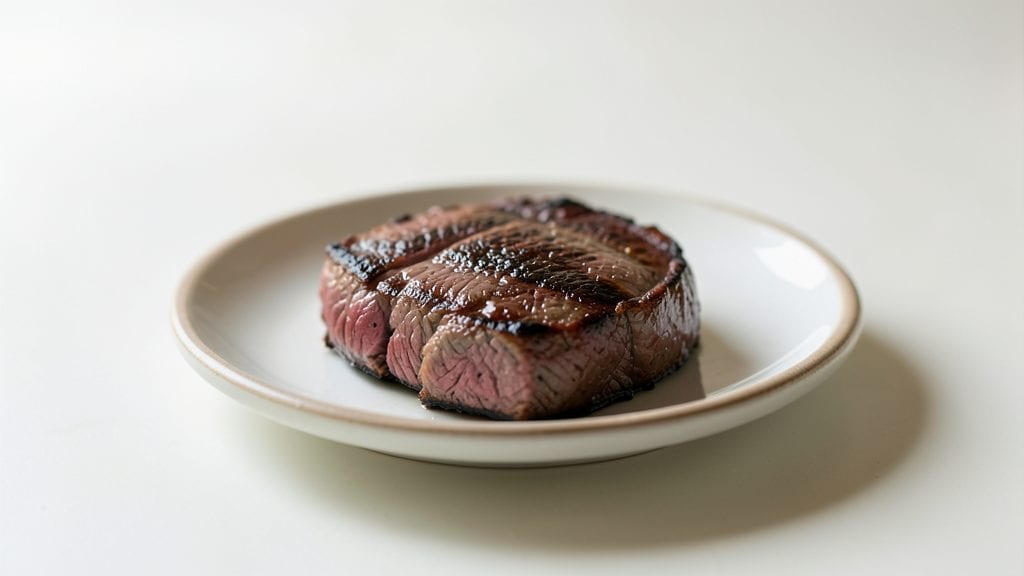
Mastering Pit Boss beef tenderloin transforms a simple cut into a showstopping centerpiece that rivals any high-end steakhouse. The secret lies in a carefully balanced dry rub that creates a perfect medium-rare crust while keeping the interior impossibly tender.
I developed this recipe after years of experimenting with my Pit Boss smoker, where the low-and-slow method becomes the key to unlocking restaurant-quality results at home.
The technique begins with a foolproof dry rub that blends coarse salt, black pepper, smoked paprika, and brown sugar for depth. What makes this different is the two-stage smoking process—starting with indirect heat to tenderize the meat gradually, then finishing with direct heat to develop that coveted bark.
This method ensures even cooking without overworking the tenderloin's delicate texture.
By the time you slice into this perfectly cooked tenderloin, you'll find a juicy, melt-in-your-mouth center with a crisp, flavorful crust that holds up beautifully. The rub's caramelized sugars add subtle sweetness that balances the smoky depth, creating a harmony of flavors that's both elegant and approachable.
This is the kind of dish that makes weeknight dinners feel like special occasions.
Pair with roasted vegetables or garlic mashed potatoes to complete the meal. The beauty of this recipe is its versatility—whether you're hosting a dinner party or treating yourself to a special night in. Let's get started on creating your perfect Pit Boss beef tenderloin.
Ingredients for pit boss beef tenderloin
Four pounds of tender beef meets a smoky, caramelized crust—this is your secret weapon for showstopping weeknight dinners.
| Ingredient | Amount | Notes |
|---|---|---|
| Beef Tenderloin 🥩 | 4 lb | Center-cut, trimmed of fat |
| Coarse Kosher Salt 🧂 | ¼ cup | Diamond Crystal preferred |
| Freshly Ground Black Pepper 🌶️ | 2 tbsp | Cracked peppercorns preferred |
| Smoked Paprika 🌶️ | 2 tbsp | Spanish paprika for depth |
| Light Brown Sugar 🍚 | 1 tbsp | Packed firmly for accuracy |
| Garlic Powder 🧄 | 1 tbsp | Freshly toasted preferred |
| Onion Powder 🧅 | 1 tbsp | Toasted for complexity |
| Extra-Virgin Olive Oil 🫒 | 2 tbsp | For pre-smoking coating |
| Wood Chips (Hickory or Oak) 🌳 | 1 lb | Soaked for 1 hour minimum |
| Yellow Onion 🧅 | 1 whole | Thinly sliced for garnish |
| Fresh Rosemary 🌿 | ¼ cup | Chopped, for garnish |
| Fresh Thyme 🌿 | ¼ cup | Leaves only, for garnish |
| Balsamic Glaze 🍯 | ¼ cup | For finishing drizzle |
The beef tenderloin is non-negotiable here—center-cut, trimmed of all fat—that's where the melt-in-your-mouth texture comes from. Most butchers will cut it for you, but if you're doing it yourself, look for a piece that's uniform in diameter (about 3-4 inches). Costco and Whole Foods carry excellent quality, but call ahead to confirm they have it prepped. The wood chips? Hickory for bold smoke, oak for something more subtle—both work beautifully. Soak them for at least an hour before smoking to prevent flare-ups. And trust me, the freshly ground black pepper makes all the difference—pre-ground loses its punch fast.
No smoked paprika? Regular paprika plus a pinch of liquid smoke gets you close, though it won't be quite the same. Running short on brown sugar? White sugar works in a pinch, but the molasses notes in light brown add that caramel depth. The olive oil is for prepping the meat before the rub—don't skip this step, it helps the rub adhere perfectly. For the garnish, fresh herbs are ideal, but dried rosemary at one-third the amount will save you if you're in a bind. And if balsamic glaze isn't your thing, a drizzle of reduced red wine adds similar richness.
This rub stays potent for up to 2 weeks in an airtight container, but honestly, you'll use it all before then. The wood chips? Keep them in a sealed bag in the fridge for up to 6 months—they'll stay dry and ready. Once you've cooked the tenderloin, let it rest for at least 15 minutes before slicing—this is non-negotiable for juicy results. And if you're planning ahead, the rub can be pre-mixed and stored for 1 month in the freezer. Slice the beef against the grain for maximum tenderness—every cut should be a revelation.
Why You'll Love This Recipe
- Four-Hour Feast: I swear by this recipe for lazy Sundays—just sear the tenderloin, sprinkle that smoky paprika and brown sugar mix, and let the Pit Boss do the rest. By the time you’re ready to eat, you’ve got a showstopper with zero effort.
- Sweet-Smoky Magic: That caramelized crust from the brown sugar and smoked paprika? It’s where the real flavor lives—deep, slightly sweet, with a crackling edge that makes every bite worth it. (Yes, even the last slice.)
- Weeknight to Dinner Party: Same recipe, different occasions. Throw it on for a quick family meal or double the batch for guests—it’s that unfussy. The salt and pepper keep it simple, but the smoky depth makes it feel special.
- Leftovers That Don’t Suck: Cold slices the next day? Still tender, still packed with flavor. I’ll be real: half my batch ends up in sandwiches or salads before I even think about reheating it. Zero food waste, all satisfaction.
Step-by-step instructions for smoked dry-rubbed beef tenderloin
Here's the method that delivers melt-in-your-mouth tenderness with that coveted smoky crust.
Create the Dry Rub and Prep the Meat
In a medium bowl, combine the 0.25 cup coarse kosher salt, 2 tablespoons freshly ground black pepper, 2 tablespoons smoked paprika, 1 tablespoon light brown sugar, 1 tablespoon garlic powder, and 1 tablespoon onion powder. Mix thoroughly until you achieve an even, finely textured blend. Here's the thing—don't skimp on the mixing. You want every particle of the rub to adhere perfectly to the beef tenderloin.
Pat the 4 lb beef tenderloin completely dry with paper towels. This step is non-negotiable for achieving that perfect crust. The drier the surface, the better the rub will stick and the more intense the flavor penetration. Once dry, generously coat the entire surface of the tenderloin with the dry rub mixture, pressing it firmly into the meat so it adheres well. Place the rubbed tenderloin on a plate and let it sit at room temperature for 1 hour. This resting period allows the rub to penetrate the meat and ensures even cooking throughout.
Prepare the Smoker and Preheat
While the tenderloin rests, prepare your smoker. Soak the 1 lb wood chips (hickory or oak) in water for at least 1 hour to prevent flare-ups. Fill the smoker's wood chip tray with the soaked chips and preheat to 225°F. I've found this low-and-slow temperature is crucial for achieving that perfect medium-rare doneness without drying out the meat.
Once the smoker reaches the target temperature and you see clean, blue smoke (not white), you're ready to begin. Here's where it gets exciting—place the rubbed beef tenderloin directly on the smoker grates, fat side up if applicable. Close the lid and resist the urge to peek. Every time you open the lid, you lose heat and extend the cooking time. Let it smoke undisturbed for 2 to 2.5 hours, or until the internal temperature reaches 125°F when measured with a meat thermometer inserted into the thickest part of the meat.
Wrap and Finish the Cook
Remove the tenderloin from the smoker and wrap it tightly in heavy-duty aluminum foil. This is the "Texas crutch" technique that helps you achieve that perfect medium-rare finish. Return the wrapped tenderloin to the smoker and continue cooking until the internal temperature reaches 130°F. This usually takes an additional 30 to 45 minutes, but don't rush it. Patience is key here—you're aiming for that ideal medium-rare doneness that's juicy and tender.
Once the tenderloin reaches 130°F, remove it from the smoker and let it rest for 15 to 20 minutes. This resting period is absolutely critical. It allows the juices to redistribute throughout the meat, ensuring every slice is moist and flavorful. During this time, you can prepare your finishing touches. Thinly slice the 1 whole yellow onion, chop the 0.25 cup fresh rosemary and 0.25 cup fresh thyme leaves, and have the 0.25 cup balsamic glaze ready.
Rest, Slice, and Serve with Flavorful Garnishes
After the resting period, carefully unwrap the tenderloin and slice it into 1-inch thick medallions against the grain. Here's the moment that matters: each slice should be perfectly pink in the center with a beautiful smoky crust. If you've followed these steps precisely, you'll achieve that ideal medium-rare doneness every time.
Arrange the sliced tenderloin on a serving platter and drizzle generously with the 0.25 cup balsamic glaze. Sprinkle the thinly sliced yellow onion, chopped fresh rosemary, and fresh thyme leaves over the top. The balsamic glaze adds a touch of sweetness that complements the smoky flavors perfectly, while the herbs and onions add a fresh, aromatic element. Serve immediately and watch your guests rave about the incredible tenderness and depth of flavor.
Pro Tips For Making Pit Boss Beef Tenderloin
- SEAR IT HOT AND FAST: The Pit Boss recipe relies on that deep crust, so don’t half-ass the sear—get your pan screaming hot (medium-high to high) and work in batches if needed. I used to linger here, thinking it was "cooking through," but the meat just steamed instead of developing that caramelized bark. Two minutes max per side, then let it rest before finishing in the oven.
- SALT THE MEAT FIRST: Don’t wait until the last minute to season—get that tenderloin dry and liberally coated with kosher salt at least 40 minutes before cooking. The Pit Boss recipe calls for a dry rub later, but salting early lets the seasoning penetrate deeper, especially for a thicker cut. (Yes, even if you’re impatient like me.)
- SKIP THE SUGAR BURN: That light brown sugar in the rub is delicious, but it’s also the fastest way to turn your crust into a sad, bitter mess. Keep the heat moderate (375°F) when searing, and resist the urge to walk away—watch it like a hawk. I learned this the hard way after walking into a smoky kitchen with a charred sugar disaster.
- REST IT UNDER FOIL: The recipe might say "rest," but don’t just plop it on a cutting board—wrap it loosely in foil and let it sit for 10-15 minutes. This keeps the juices from pooling out when you slice, and the residual heat finishes the crust just right. I was skeptical until I tried it—now it’s non-negotiable.
Regional styles of this recipe
Texas BBQ Style
In Texas, beef tenderloin is often treated like a centerpiece for special occasions, and the Pit Boss method takes this to heart.
Texans prefer a bold, smoky flavor with a deep crust, so I recommend increasing the smoked paprika to 3 tablespoons and adding 1 teaspoon of cayenne pepper for heat.
The key here is the Texas crutch technique—wrapping the tenderloin in butcher paper after the initial smoke to lock in moisture and speed up the cook. Serve with classic sides like creamy coleslaw and grilled corn on the cob for a true Lone Star spread. 🌶️
Pacific Northwest Twist
Up here in Portland, we love to blend smoky flavors with fresh, local ingredients. Swap the hickory wood chips for alder or cherry wood (available at New Seasons Market) for a sweeter, fruitier smoke profile.
Add 1 teaspoon of ground juniper berries to the rub for a subtle piney note that pairs beautifully with our region's wild mushrooms. Garnish with foraged thyme from my backyard garden and a drizzle of local honey balsamic glaze for a touch of sweetness.
This version feels like a cross between a BBQ joint and a farm-to-table dinner. 🌿
Southern Smokehouse Style
The Southern approach focuses on slow-cooked tenderness with a balance of sweet and smoky flavors. Reduce the brown sugar to 2 teaspoons and add 1 tablespoon of mustard powder to the rub for a tangy kick.
Use pecan wood chips for a sweeter smoke, and finish with a sprinkle of crushed pecans on top. Southerners often serve tenderloin with mac and cheese or collard greens, creating a rich, comforting meal that feels like Sunday dinner.
The key here is patience—the longer, slower smoke builds layers of flavor that are hard to replicate elsewhere. 🍯
Modern Fusion Approach
For a contemporary take, I like to add 1 teaspoon of ground coriander and ½ teaspoon of cardamom to the rub for an unexpected but delicious twist. Use apple wood chips for a fruity, crisp smoke that pairs beautifully with the tenderloin's richness.
Garnish with pickled red onions and a drizzle of chipotle cream sauce for a smoky-sweet contrast. This version works perfectly for dinner parties where you want to impress with bold flavors and a modern flair. 💫
Ohio-Inspired Version
Back in Cincinnati, where I grew up, beef tenderloin is often paired with hearty, comforting sides. Keep the original rub but add 1 teaspoon of ground cinnamon for a subtle warmth that nods to Ohio's German heritage.
Use cherry wood chips for a sweet, fruity smoke, and serve with creamy mashed potatoes and roasted Brussels sprouts. This version feels nostalgic and hearty, perfect for family gatherings or chilly evenings. The cinnamon might sound unusual, but trust me—it adds a depth that complements the smoky flavors beautifully. 🍂
Nutrition facts
Frequently asked questions
Can I use a regular oven instead of a smoker for this recipe?
Preheat your oven to 225°F and place a water pan on the lower rack to create moisture. Place the rubbed tenderloin on a rack over a baking sheet, then bake for 3 hours until internal temp reaches 125°F. Wrap tightly in foil and bake another 30-45 minutes until 130°F. The texture will be slightly different but still delicious.
What's the best way to store leftover tenderloin?
Slice the cooked tenderloin and store in an airtight container with a piece of parchment paper between layers. It keeps well in the fridge for 3-4 days or can be frozen for up to 3 months. For reheating, warm gently in a skillet with a splash of beef broth or wrap in foil and reheat in a 300°F oven for 15 minutes. Never microwave—it makes the meat tough.
Why does my tenderloin turn out dry when smoked?
Overcooking is the #1 culprit! Use a meat thermometer and remove at 130°F for medium-rare. The resting period is crucial—15-20 minutes lets juices redistribute. Also, avoid peeking at the smoker too often, as heat loss extends cooking time. For extra moisture, try the Texas crutch method of wrapping in butcher paper after initial smoking.
Can I make this recipe with a smaller tenderloin?
Yes, but adjust the cooking time. A 2 lb tenderloin will cook about 30-45 minutes faster than the 4 lb version. For perfect results, use the same rub ratio (about 1.5 tbsp per pound) and monitor closely with a thermometer. Smaller cuts benefit from slightly higher heat (250°F) to prevent overcooking.
What are the best sides to serve with smoked beef tenderloin?
Classic pairings include garlic mashed potatoes, roasted asparagus, or creamy polenta. For a heartier meal, try smoked mac and cheese or grilled portobello mushrooms. The smoky flavors also complement cucumber salad or charred corn for a refreshing contrast.