
Sauces & Condiments
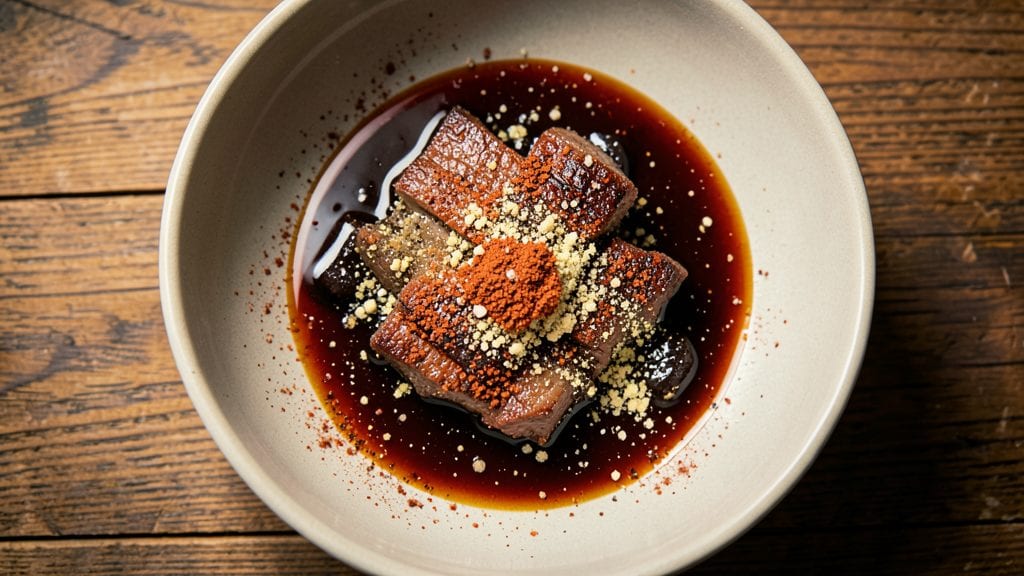
This smoked beef brisket marinade recipe transforms tough cuts into melt-in-your-mouth tenderness before they even hit the smoker. The day I realized French technique could elevate my rubs changed everything—this marinade blends acidity, spices, and aromatics to break down fibers while building layers of flavor.
I've perfected it over years of backyard cookouts and competition pits, where the right marinade makes all the difference.
The secret lies in balancing acidic ingredients like apple cider vinegar with sweet molasses and a precise blend of spices—smoked paprika, black pepper, and garlic powder—that penetrate the meat. This marinade works best when applied 12 to 24 hours ahead, allowing the beef to absorb deep, smoky notes.
It’s designed to be stored in the fridge, so you can prep ahead and focus on the smoke when the time comes.
What you’ll achieve is brisket that’s fork-tender from edge to edge, with a surface crust so flavorful it practically dissolves on your tongue. The marinade’s acidity tenderizes while the spices create that signature bark, ensuring every bite delivers complexity.
This isn’t just a marinade—it’s the foundation for brisket that rivals any competition-winning pitmaster’s.
Use this marinade for briskets, beef chucks, or even short ribs—it’s versatile enough for any slow-cooked beef cut. Here’s everything you need to get started, including storage tips and pro techniques to maximize flavor absorption.
Ingredients for smoked beef brisket marinade
Nine ingredients. One marinade. The secret weapon for brisket that falls apart with every bite.
| Ingredient | Amount | Notes |
|---|---|---|
| Apple Cider Vinegar 🍎 | ½ cup | Raw, unfiltered for tang |
| Blackstrap Molasses 🍯 | ¼ cup | Unsulphured for depth |
| Smoked Paprika 🌶️ | 2 tbsp | High-quality, not cayenne |
| Garlic Powder 🧄 | 1 tbsp | Freshly ground preferred |
| Ground Black Pepper 🌶️ | 1 ½ tsp | Freshly cracked for bite |
| Onion Powder 🧅 | 1 tsp | Not onion salt |
| Ground Cumin 🌿 | 1 tsp | Toasted for warmth |
| Brown Sugar 🍚 | 1 tbsp | Light or dark works |
| Kosher Salt 🧂 | 1 tsp | Diamond Crystal preferred |
| Fresh Ground Cayenne 🔥 | ½ tsp | Adjust for heat tolerance |
The vinegar and molasses are non-negotiable—Bragg apple cider vinegar and Goya blackstrap molasses are my go-tos, but any raw vinegar and unsulphured molasses will work. Smoked paprika needs to be real smoked paprika (not cayenne-laced)—Penzeys or McCormick Gourmet are reliable. For the garlic and onion powders, Simply Organic or brown grocery store jars (if recently opened) are fine. The brown sugar? Light or dark doesn’t matter here—just make sure it’s real sugar, not that powdered junk. Toast your cumin seeds in a dry pan for 30 seconds before grinding if you’re using whole cumin—game-changer.
No apple cider vinegar? Red wine vinegar or balsamic works in a pinch, but the flavor will shift slightly. Molasses too expensive? Maple syrup at half the amount keeps the sweetness but loses some depth. Want more bark? Add 1 tsp of brown sugar per cup of marinade. No smoked paprika? Regular paprika plus a pinch of liquid smoke (start with ¼ tsp) gets you close. The cayenne is optional—leave it out if you’re sensitive to heat, but trust me, it’s worth the slight burn for the complexity. For storage, keep the spices in airtight containers away from light—they’ll stay potent for 6-12 months.
This marinade keeps for 2 weeks in the fridge once mixed, so make a big batch. I double it for competition briskets—4 cups total covers a 10-pound pack easily. For best results, let the beef sit in the marinade 12-24 hours in the fridge, flipping the meat halfway. The acidity does most of its work in the first 8 hours, so don’t rush it. If you’re prepping ahead, store the dry spices separately and mix with the liquids right before applying to the meat. The wet marinade will stay good in the fridge for 5 days.
Why You'll Love This Recipe
- Pantry Magic: I swear by this marinade because it uses stuff I already have—no last-minute grocery runs. The molasses and vinegar cut through the richness of brisket while the smoked paprika gives it that deep, smoky backbone without needing a fancy spice blend.
- Sweet-Savory Balance: That molasses isn’t just for flavor—it tenderizes like a dream while the apple cider vinegar keeps things bright. The garlic powder and black pepper? They wake up every bite with a little kick, but it’s the kind of kick that makes you go back for more.
- Weeknight BBQ Hero: I’ve used this marinade for everything from Sunday funday feasts to quick weeknight sandwiches. Slather it on brisket for a full-on smoked masterpiece, or toss it with sliced deli meat for a no-cook lunch. It’s my secret weapon for when I’m too tired to think.
- Budget-Friendly Luxury: A pound of brisket marinated in this costs less than half what pre-made rubs do, and it lasts forever. The leftovers? Perfect for tacos, nachos, or even a hearty stew. Honestly, it’s the kind of recipe that makes me feel like I’m feeding a crowd without breaking the bank.
Step-by-step instructions for smoked beef brisket marinade
This marinade transforms tough brisket into melt-in-your-mouth perfection with bold smoke and deep flavor.
Combine the Wet Ingredients
In a medium bowl, whisk together the 0.5 cup apple cider vinegar and 0.25 cup blackstrap molasses until fully incorporated. The vinegar's acidity will tenderize the meat while the molasses adds a rich, caramelized depth that penetrates deeply during the smoke. You'll notice the mixture darken slightly as the molasses dissolves completely—this is normal and indicates proper integration of flavors.
Here's the thing—don't rush this step. Let the mixture sit for 5 minutes while you prepare the dry ingredients. This brief rest allows the vinegar's enzymes to begin breaking down proteins, jumpstarting the tenderizing process. The molasses will also thicken the marinade slightly, creating a better cling to the brisket's surface.
Incorporate the Dry Seasonings
Create a small well in the center of your wet mixture and add the 2 tbsp smoked paprika, 1 tbsp garlic powder, 1.5 tsp ground black pepper, 1 tsp onion powder, 1 tsp ground cumin, 1 tbsp brown sugar, 1 tsp kosher salt, and 0.5 tsp fresh ground cayenne. Using a silicone spatula, gently fold these dry ingredients into the wet base until you achieve a smooth, thick paste with no visible powder clumps.
The smoked paprika is where the signature flavor comes from—this isn't your standard paprika, but a high-quality version specifically designed for its deep, smoky character. The cayenne adds just enough heat to complement the sweetness without overpowering, while the toasted cumin brings earthy warmth that pairs beautifully with the molasses. You'll smell that perfect balance of sweet, smoky, and slightly spicy notes as you mix.
Whisk Until Fully Emulsified
Transfer your mixture to a blender or use an immersion blender to process until completely smooth. This step ensures all ingredients are evenly distributed and creates a marinade with perfect consistency—thick enough to cling to the brisket but fluid enough to penetrate deeply. You're aiming for a texture similar to heavy cream, where it coats the back of a spoon without being runny.
If you notice any separation after blending, simply give it another quick pulse. The molasses can be stubborn, but persistence here pays off with maximum flavor distribution. The finished marinade should have a deep amber color with visible specks of spices suspended throughout. This visual cue confirms you've achieved the ideal emulsification for even flavor infusion during the smoking process.
Rest Before Application
Transfer the completed marinade to an airtight container and let it rest at room temperature for at least 30 minutes before applying to your brisket. This resting period allows all the flavors to meld together, creating a cohesive profile that will penetrate the meat more effectively. The longer it rests (up to 2 hours), the more complex the flavor becomes—this is where the magic happens.
Here's what I do next: I give the marinade a final stir before applying it to the brisket. The resting period also helps the molasses fully integrate, preventing any potential sugar crystallization that could occur when applied directly to hot meat. When you're ready to use it, you'll notice the aroma is even more pronounced—this is your signal that the marinade is ready to work its magic on your brisket.
Pro Tips For Making Smoked Beef Brisket Marinade
- Whisk the Molasses: Blackstrap molasses is thick—like, thick—and clumps like a stubborn guest at a family reunion. Whisk it into the vinegar first, then add the rest. I used to just stir, and half the time I’d end up with grainy bits that made the marinade look like it was made in a blender (it wasn’t). Five minutes of whisking ensures it dissolves smooth.
- Balance the Vinegar: Apple cider vinegar packs a punch, and too much can turn your brisket into a science experiment gone wrong—sour, not smoky. For every ½ cup of vinegar, use at least ¼ cup of molasses. I learned this after my first batch tasted like a pickled disappointment. Taste as you go; you’re aiming for tangy, not puckery.
- Skip the Pre-Grind Spices: That jar of garlic powder you’ve had since college? It’s lost its soul. Freshly ground spices make a real difference here, especially smoked paprika. If you’re using pre-ground, sift it through a fine-mesh strainer to break up any clumps—nothing ruins a marinade like gummy bits clinging to your brisket like a bad hair day.
- Marinate Overnight (But Not Too Long): Twenty-four hours is ideal—long enough for the flavors to sink in, but not so long the vinegar starts breaking down the meat. I once left mine in for 48 hours out of laziness, and the brisket turned mushy. If you’re short on time, at least 8 hours will work, but don’t skip the overnight if you can swing it. Patience here pays off.
Common mistakes when making this recipe
Over-Marinating Risks
Leaving your brisket in the marinade for more than 24 hours can break down muscle fibers too aggressively, turning your tender masterpiece into mushy disappointment. I've seen this happen when people try to "get ahead" and marinate overnight, then forget about it for another day.
The acidity in apple cider vinegar does its work quickly—after 12-24 hours, you've already achieved maximum tenderness without compromising texture. 🌶️
Skipping the Rest
Applying the marinade directly to the brisket without letting it rest at room temperature first is a rookie mistake. The 30-minute rest allows the molasses to fully integrate and the spices to bloom their flavors.
I once rushed this step at a competition and ended up with a brisket that tasted like separate ingredients rather than a cohesive flavor profile. Patience here makes all the difference.
Uneven Application
Pouring the marinade over the brisket without massaging it into the fat cap and deep crevices means you're missing out on maximum flavor penetration. I recommend using your hands (gloved, of course) to work the marinade into every nook, especially the tough fat cap where the most flavor absorption happens.
The fat cap should be fully coated—this is where the bark develops its signature depth during smoking. 🔥
Using Low-Quality Spices
Substituting cheap, old spices for the high-quality ones in this recipe is a flavor killer. I can taste the difference when people use store-brand smoked paprika that's been sitting on the shelf for months.
Invest in fresh, high-quality spices like Penzeys or McCormick Gourmet—they make all the difference in creating that competition-worthy bark and flavor profile. Your nose will thank you when you smell the freshly ground spices.
Ignoring the Fat Cap
Some pitmasters make the mistake of trimming the fat cap before marinating, thinking it's unnecessary. But that fat cap is your secret weapon—it renders down during smoking to create the most flavorful bark. Leave it intact, and make sure to massage the marinade into it thoroughly.
The fat cap should be fully coated with marinade before you even think about putting it on the smoker. This is where the magic happens for that perfect crust.
Not Adjusting for Heat
If you're sensitive to heat, skipping the cayenne entirely or using pre-ground spices can make your marinade taste flat. Freshly ground spices have more punch, and cayenne adds that essential layer of complexity.
I always recommend starting with the full amount and adjusting to taste—you can't take it out, but you can always add more. The cayenne might seem small, but it's what ties all the other flavors together with that perfect balance of heat and sweetness. 💡
Nutrition facts
Frequently asked questions
Can I use this marinade for other meats besides brisket?
This marinade works beautifully on beef chuck, short ribs, or even pork shoulder. The acidity and spices tenderize tough cuts while adding deep smoke flavor. For pork, reduce the marinating time to 6-12 hours to avoid over-tenderizing.
How do I store leftover marinade?
Transfer unused marinade to an airtight container and refrigerate for up to 5 days. For longer storage, freeze in ice cube trays for 3 months. Thaw in the fridge before using. The spices may settle, so give it a good stir before applying.
Can I make this marinade without molasses?
Yes, but the flavor will be less complex. Substitute with ½ cup maple syrup or ¼ cup honey for sweetness. The molasses adds depth that's hard to replicate—it's worth tracking down blackstrap molasses for the full experience.
Will this marinade work for a quick cook?
For best results, marinate for at least 4 hours—this gives the acidity time to work. If you're short on time, use a 30-minute brine (1 cup marinade + 1 cup water) instead. The tenderness won't be as dramatic, but you'll still get great flavor.
How do I adjust the heat level?
Reduce cayenne to ¼ tsp for mild heat or omit entirely. For extra spice, add ½ tsp chipotle powder or ¼ tsp red pepper flakes. Always taste the marinade before applying—you can't remove heat once it's on the meat!