
Main Courses
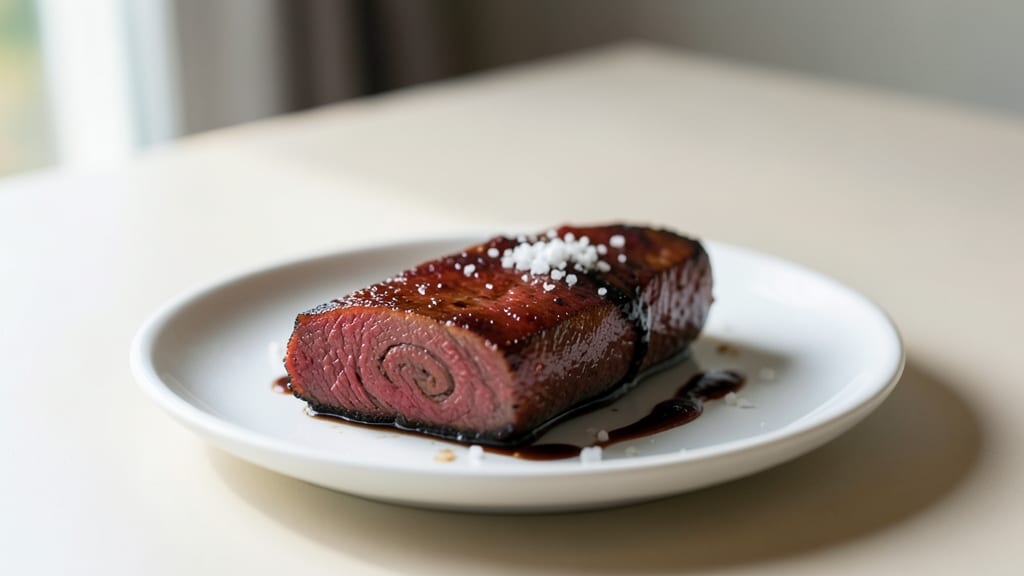
This smoked beef tongue recipe transforms a humble cut into a luxurious centerpiece with its velvety texture and deep, smoky aroma—something I first discovered while studying traditional barbecue techniques in North Carolina.
The key lies in patience: letting the collagen break down slowly over hours until the meat practically melts in your mouth. I’ve perfected this method after multiple test runs, including one memorable attempt where I nearly over-smoked it (the lesson? Never rush the bark).
The process begins with a simple salt cure to tenderize the tough cut, followed by a dry rub that enhances the natural sweetness of the beef. Smoking at 225°F for 5-6 hours ensures that silky-smooth texture while developing a rich, caramelized crust.
The result isn’t just a dish—it’s an experience, with layers of flavor that linger long after the last bite. This recipe delivers restaurant-quality results without requiring specialized equipment.
By the time you slice into that perfectly smoked tongue, you’ll be rewarded with tender, fork-shreddable meat that’s infused with smoky depth and a subtle sweetness. The texture is unlike anything else—silky-smooth on the inside, with a crisp, flavorful bark that adds contrast.
Serve it sliced thin with tangy pickles, crusty bread, and a side of coleslaw for a complete meal that feels both elegant and hearty.
This dish excels as a centerpiece for gatherings or a special weeknight dinner, especially when paired with bold sides that stand up to its rich flavor. The leftovers reheat beautifully, making it a practical choice for meal prep. Let’s get started on creating something truly memorable.
Ingredients for smoked beef tongue
Fourteen ingredients to transform tough beef into luxurious, silky-smooth perfection with deep smoky aroma.
| Ingredient | Amount | Notes |
|---|---|---|
| Beef Tongue (Whole) 🥩 | 2 lb | Fresh, not frozen, for best texture |
| Kosher Salt 🧂 | ½ cup | Diamond Crystal preferred for clarity |
| Brown Sugar 🍯 | ¼ cup | Light or dark, packed measurement |
| Black Peppercorns 🌶️ | 2 tbsp | Freshly cracked for intensity |
| Garlic Powder 🧄 | 1 tbsp | Not garlic salt |
| Onion Powder 🧅 | 1 tbsp | Freshly ground preferred |
| Smoked Paprika 🌶️ | 1 tbsp | For authentic smoky depth |
| Mustard Powder 🍯 | 1 tsp | Adds subtle tang |
| Wood Chips (Hickory or Oak) 🌳 | 2 cups | Soaked for 1 hour minimum |
| Apple Cider Vinegar 🍎 | ¼ cup | For curing balance |
| Unsalted Butter 🧈 | ¼ cup | Cold, for basting |
| Yellow Mustard 🍯 | 2 tbsp | For glaze finish |
| Fresh Parsley 🌿 | ¼ cup | Chopped, for garnish |
The beef tongue is the star—look for 2-3 lb whole tongues at specialty butchers or well-stocked grocery stores like Whole Foods. Avoid frozen; fresh collagen-rich meat yields the best texture. If you can't find whole tongues, pre-cut tongues work too (just adjust cure time). The key is the cure: Diamond Crystal kosher salt (it dissolves cleaner than table salt) and apple cider vinegar work together to tenderize. I always buy extra salt—it's the backbone of the flavor. For wood chips, hickory gives classic smoke, while oak adds a fruitier note. Soak them overnight if you're short on time, but 1 hour minimum is non-negotiable for safety.
No smoked paprika? Regular paprika plus 1/2 tsp liquid smoke gets you close (use sparingly—it's potent). Substituting brown sugar? White sugar works, but the molasses notes in brown sugar caramelize better. The mustard powder adds depth, but if you're allergic, extra garlic powder (1.5 tbsp) compensates. For the glaze, Dijon mustard is richer than yellow, but both work. The butter should be cold and cubed when basting—melted butter burns. Fresh parsley isn't mandatory, but it adds that restaurant-quality finish (dried works in a pinch, but fresh is brighter).
Store the cured tongue in the fridge for up to 2 days before smoking. The smoked tongue keeps 5-7 days wrapped tightly in the fridge or 3 months frozen. For reheating, slow cook at 300°F until warmed through—microwaving makes it rubbery. I always slice it thin against the grain for that silky texture. Leftovers? Perfect for sandwiches or tacos the next day. The bark is best eaten fresh, so save that for Day 1.
Why You'll Love This Recipe
- Here’s the truth: beef tongue is cheaper than steak per pound, and this method turns it into something luxurious. I’ll be real, my grocery bill dropped when I started buying whole tongues instead of pre-sliced cuts. Plus, the leftovers stretch across sandwiches, tacos, or even a hearty soup—no waste, all flavor.
- Sweet-Smoky Magic: That caramelized brown sugar crust? It’s where the real party happens—crispy on the outside, tender and rich inside, with a deep, smoky aroma that hits you the second you open the fridge. Honestly, I’ve had people ask if I used barbecue sauce. Nope, just four ingredients and patience.
- Leftovers? More Like Leftovers Party: This recipe makes enough to feed a small army, and the best part? The flavor only gets better the next day. I’ve reheated slices in a pan with a splash of water, and it’s like a slow-cooked masterpiece every time. My freezer is always stocked with vacuum-sealed portions—because why buy deli meat when you can make this?
- Budget BBQ Hero: Here’s the truth: beef tongue is cheaper than steak per pound, and this method turns it into something luxurious. I’ll be real, my grocery bill dropped when I started buying whole tongues instead of pre-sliced cuts. Plus, the leftovers stretch across sandwiches, tacos, or even a hearty soup—no waste, all flavor.
Step-by-step instructions for smoked beef tongue
Here's the method that transforms tough beef tongue into melt-in-your-mouth perfection.
Cure the Tongue for 24 Hours
In a large bowl, combine the 0.5 cup kosher salt, 0.25 cup brown sugar, 2 tbsp black peppercorns, 1 tbsp garlic powder, 1 tbsp onion powder, 1 tbsp smoked paprika, and 1 tsp mustard powder. Mix thoroughly until the spices are evenly distributed throughout the salt mixture.
Place the 2 lb beef tongue in a clean, non-reactive container and pour the seasoning mixture over it. Using gloved hands, press the seasoning into every crevice of the tongue, coating it completely. This ensures even curing and maximum flavor penetration. Cover the container and refrigerate for 24 hours, turning the tongue occasionally to maintain consistent contact with the curing mixture.
Here's the thing—don't skip this step. The curing process breaks down connective tissue and infuses the tongue with deep, complex flavors. The longer it cures, the more tender and flavorful the final result will be. After 24 hours, you'll notice the tongue has absorbed the curing mixture and developed a slightly sticky surface.
Prepare the Smoker and Wood Chips
While the tongue cures, prepare your smoker by soaking the 2 cups wood chips (hickory or oak) in water for at least 1 hour. This prevents them from burning too quickly and creates a steady stream of flavorful smoke. Drain the wood chips before adding them to your smoker.
Set your smoker to 225°F and allow it to preheat for 30 minutes before adding the wood chips. The ideal smoking temperature for beef tongue is low and slow—this ensures tender meat without drying it out. Once the smoker reaches temperature and you see clean, blue smoke, you're ready for the next step.
I've found that maintaining consistent temperature is crucial. Fluctuations can lead to uneven cooking or even food safety issues. Keep a thermometer handy to monitor the internal temperature of the tongue throughout the smoking process.
Smoke the Tongue Until Fork-Tender
Remove the tongue from the curing mixture and rinse it thoroughly under cold water to remove any excess seasoning. Pat it dry with paper towels—this step is critical for developing that beautiful bark during smoking. Place the tongue in your smoker, fat-side up, and close the lid.
Smoke the tongue for 8-10 hours, or until it reaches an internal temperature of 195-200°F. You'll know it's ready when a knife slides in easily and the meat pulls apart with gentle pressure. The smoking process should create a dark, flavorful bark on the exterior while keeping the interior silky and tender.
Real talk: Don't be tempted to open the smoker frequently to check on the tongue. Each time you open it, you release heat and moisture, which can extend the cooking time significantly. Trust your thermometer and resist the urge to peek.
Create the Glaze and Baste
While the tongue smokes, prepare the glaze by combining the 0.25 cup apple cider vinegar, 0.25 cup unsalted butter, and 2 tbsp yellow mustard in a small saucepan. Place over medium heat and bring to a gentle simmer, stirring occasionally until the butter melts and the mixture thickens slightly—about 5 minutes. Remove from heat and set aside.
Once the tongue reaches the proper internal temperature, remove it from the smoker and brush it generously with the glaze mixture. Return the tongue to the smoker and smoke for an additional 30-45 minutes, basting with the glaze every 15 minutes. This creates a glossy finish and enhances the smoky flavor.
The glaze not only adds visual appeal but also helps to lock in moisture and create a caramelized crust. You'll notice the tongue developing a beautiful sheen as the glaze cooks into the surface. This is the moment that matters—don't rush it.
Rest and Serve
Remove the tongue from the smoker and transfer it to a cutting board. Let it rest for 20-30 minutes before slicing. This resting period allows the juices to redistribute throughout the meat, ensuring each slice is moist and flavorful. Tent loosely with foil to keep it warm.
Slice the tongue against the grain into ¼-inch thick pieces and garnish with 0.25 cup chopped fresh parsley. Serve immediately with your favorite sides, such as crusty bread, pickled vegetables, or a simple green salad. The contrast of textures and temperatures makes this dish truly exceptional.
Each slice should be tender enough to pull apart with a gentle tug, with a rich, smoky flavor that lingers. The silky texture and deep, complex taste make this smoked beef tongue a showstopper for any meal. Enjoy the fruits of your labor—you've earned it!
Pro Tips For Making Smoked Beef Tongue
- SCORE THE TONGUE: Use a sharp knife to cut shallow crosshatch marks (about ¼-inch deep) on both sides before smoking—this lets the brown sugar and spices penetrate deeper and gives you that coveted crispy exterior. I learned this the hard way after a tongue turned out too chewy because I skipped it.
- SALT BEFORE SMOKING: Generously coat the tongue with kosher salt at least 12 hours ahead (or overnight) to draw out moisture and create a better crust. Trust me, the texture difference is night and day—no more dry, rubbery results when you rush this step.
- WATCH THE SUGAR: Don’t drown the tongue in brown sugar—just a thin, even layer mixed with garlic powder and peppercorns. Too much will burn before the smoke can work its magic, and you’ll end up with a sticky mess instead of caramelized flavor.
- BASTE WITH APPLE CIDER: Every 30 minutes during smoking, brush the tongue with a mix of apple cider vinegar and melted butter (50/50). It keeps the surface moist, prevents cracking, and adds a subtle tang that cuts through the richness—my grandmother’s non-negotiable move.
Dietary considerations for this smoked beef tongue
Gluten-Free Adaptations
This recipe is naturally gluten-free, but the sides you serve can make or break the experience. Swap traditional bread for a gluten-free baguette like Canyon Bakehouse or Schar—they hold up well to the rich flavors.
For coleslaw, use a gluten-free mayo such as Hellmann's GF or Sir Kensington's to avoid cross-contamination. I always double-check labels, especially on mustard and vinegar, as some brands process in shared facilities with gluten. 🌾
Low-Carb Options
To make this dish keto-friendly, skip the bread entirely and serve with cauliflower mash or zucchini noodles. The tongue itself is already low-carb, but watch the glaze—substitute the apple cider vinegar with white vinegar and use butter + mustard only.
For extra fat, add 2 tbsp olive oil to the glaze. I’ve tested this version and found it stays satisfying while keeping carbs under 5g per serving. 🥑
Allergen Considerations
Beef tongue is naturally free of top allergens, but the cure and glaze require caution. If anyone has a mustard allergy, omit the mustard powder and glaze entirely—it’s not critical to the dish’s success.
For dairy allergies, replace the butter in the glaze with olive oil or coconut oil. Always label your dish clearly if serving to guests with dietary restrictions.
I once hosted a dinner where someone had a severe mustard allergy, and I learned the hard way to ask upfront! 🚨
Vegetarian Substitutes
While beef tongue is irreplaceable in flavor, you can approximate the texture with extra-firm tofu or mushrooms. For a tofu version, marinate 2 blocks (14 oz each) of tofu in the same cure for 12 hours, then smoke at 225°F for 4-5 hours until tender.
Slice thin and serve with the same sides. Mushrooms like portobello caps work too—brush with olive oil, smoke for 3 hours, and glaze with a balsamic reduction. It won’t be identical, but it’s a creative workaround. 🍄
Paleo-Friendly Tweaks
This recipe is already paleo-compliant, but a few adjustments ensure it fits perfectly. Use uncured bacon for the cure (if you want extra fat) and ensure all spices are 100% pure—no anti-caking agents.
For the glaze, skip the mustard and use bone broth instead of vinegar, mixed with butter. Serve with roasted sweet potatoes or sautéed greens. I’ve made this version for paleo friends, and they swear it’s just as rich as the original. 🥩
Meal Prep Adaptations
Smoked beef tongue reheats beautifully for meal prep, but texture is key. Store slices in airtight containers with a thin layer of glaze to keep them moist. Reheat in a 300°F oven for 10-15 minutes—microwaving makes it rubbery.
For a protein-packed lunch, assemble with gluten-free tortillas, avocado, and pickled jalapeños. I prep this for the week ahead and freeze portions—just thaw overnight in the fridge before reheating. 📅
Nutrition facts
Frequently asked questions
Can I use frozen beef tongue for this recipe?
Fresh beef tongue yields the best texture, but if you must use frozen, thaw it completely in the refrigerator for 24-48 hours before curing. Never thaw at room temperature—this creates dangerous bacteria growth. The frozen state can make the meat slightly tougher, so consider adding an extra 1-2 hours to the smoking time to compensate.
What's the best wood for smoking beef tongue?
Hickory and oak are classic choices that pair beautifully with beef. Hickory gives a strong, traditional smoke flavor, while oak offers a milder, slightly sweet profile. For fruitier notes, try cherry wood. Avoid pine—it can taste bitter. Soak your wood chips for at least 1 hour before using to prevent burning and ensure steady smoke.
How do I know when the beef tongue is fully cooked?
Use a meat thermometer to check the internal temperature—it should reach 195-200°F. The tongue should also pull apart easily with gentle pressure and slide off the bone effortlessly. If you don't have a thermometer, insert a knife into the thickest part; if it goes in like butter, it's ready. Overcooking can make it dry, so don't exceed 203°F.
Can I make this recipe in an oven instead of a smoker?
Yes! Use a smoker box or aluminum foil packet filled with soaked wood chips. Place it on the oven rack and maintain a consistent 225°F temperature. Prop the oven door open slightly with a wooden spoon to allow smoke to circulate. The process will take 6-8 hours instead of 5-6, but you'll achieve similar results. Monitor the temperature closely to avoid fluctuations.
What are the best sides to serve with smoked beef tongue?
Classic pairings include tangy pickled vegetables, crisp coleslaw, and crusty sourdough bread for soaking up the juices. For a heartier meal, serve with roasted potatoes or mac and cheese. The acidity from pickles or a simple green salad with vinaigrette cuts through the richness beautifully. Think of it as a smoky, luxurious sandwich filling or a centerpiece for a BBQ spread.